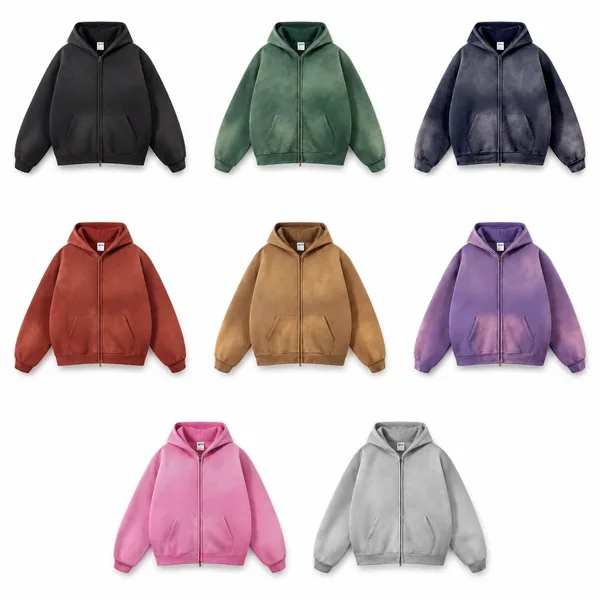
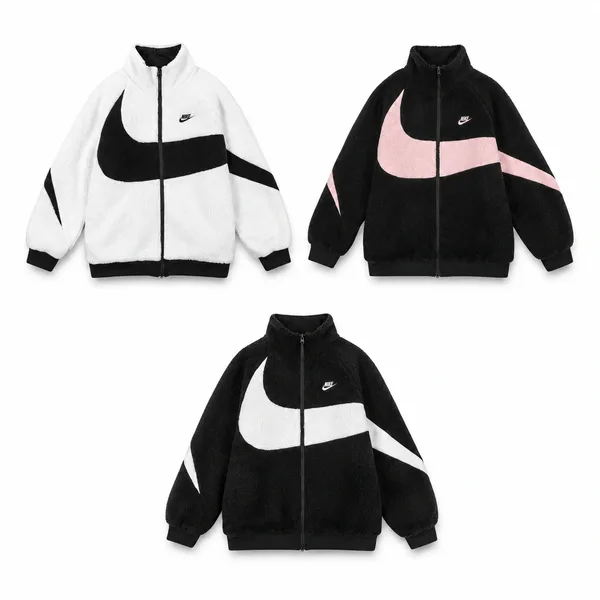
Zip-Up Short Jacket
$43.35
$43.35
$40.20 – $56.85
$30.00 – $60.00
$34.50 – $85.21
$42.00 – $43.50
$40.50 – $46.50
$40.20 – $64.81
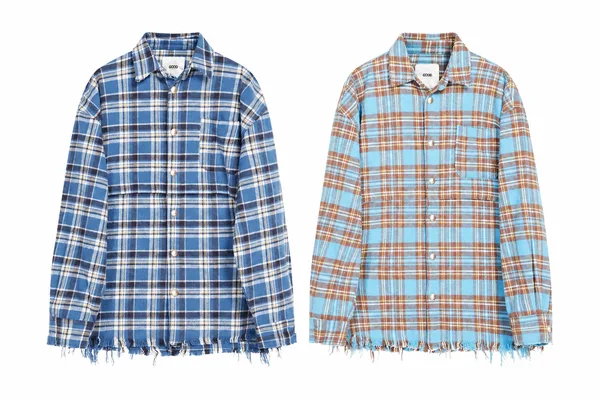
$46.50
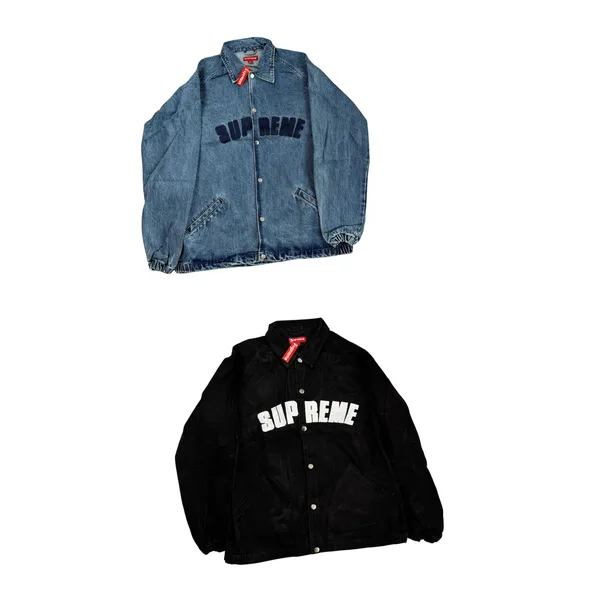
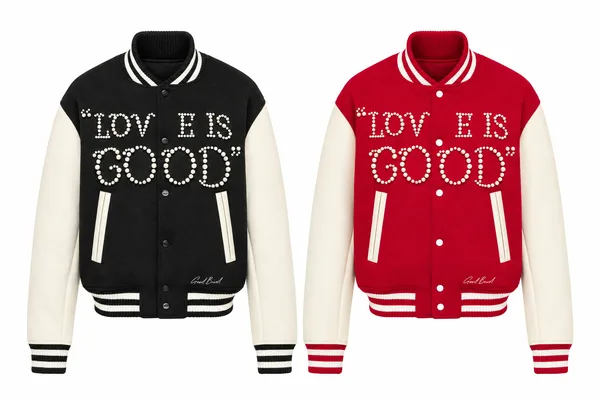
$47.40 – $63.61
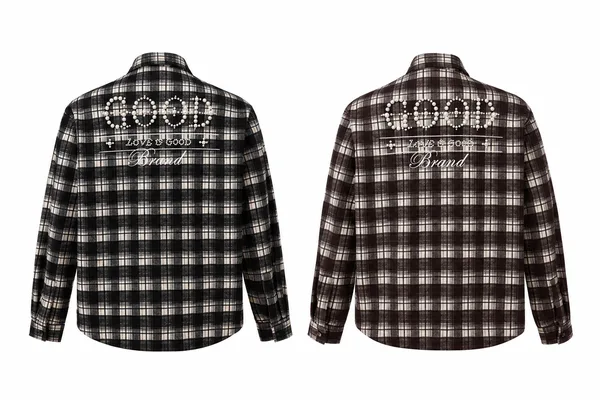
$42.00 – $58.50
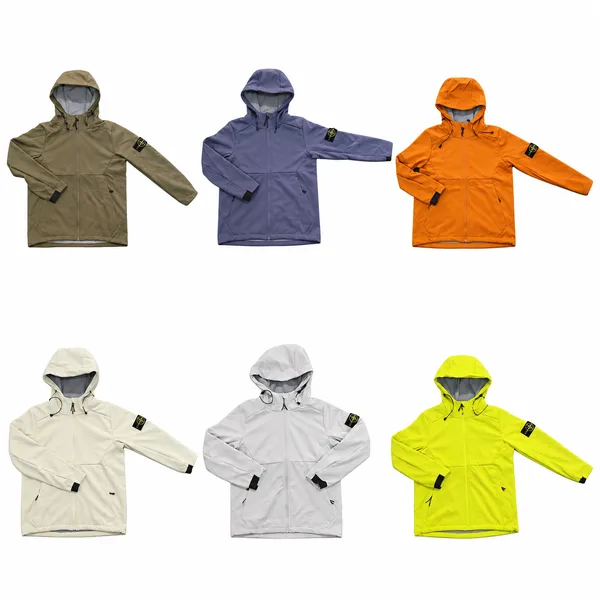
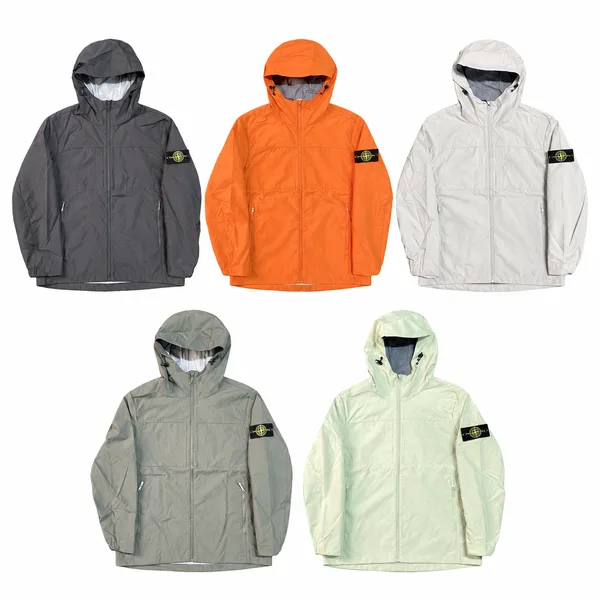
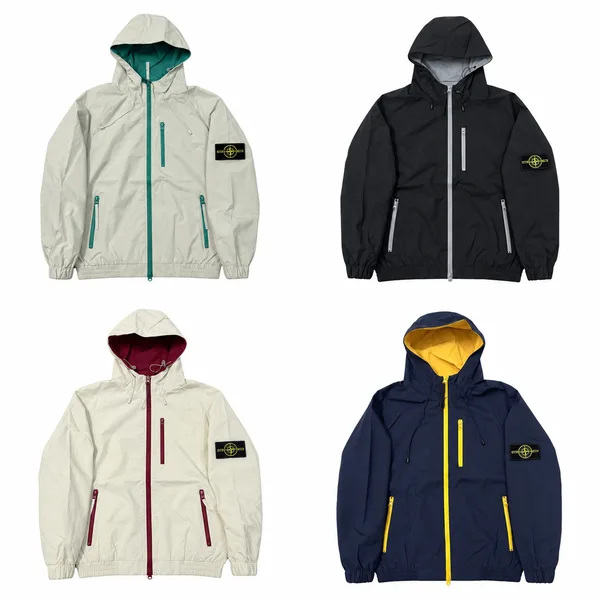
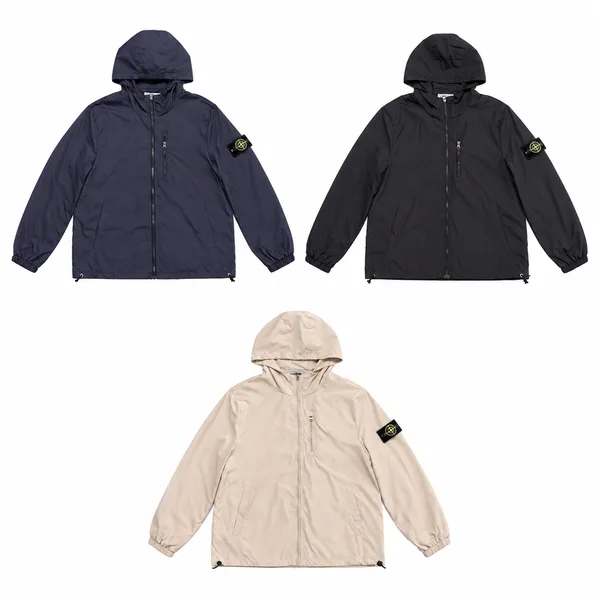
$44.85
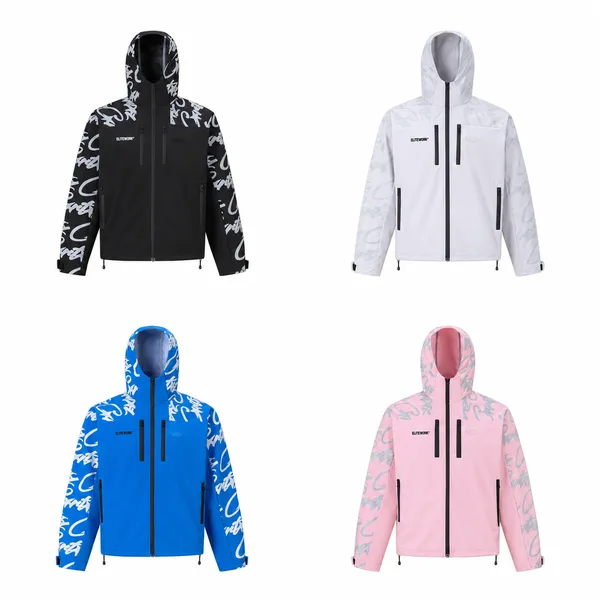
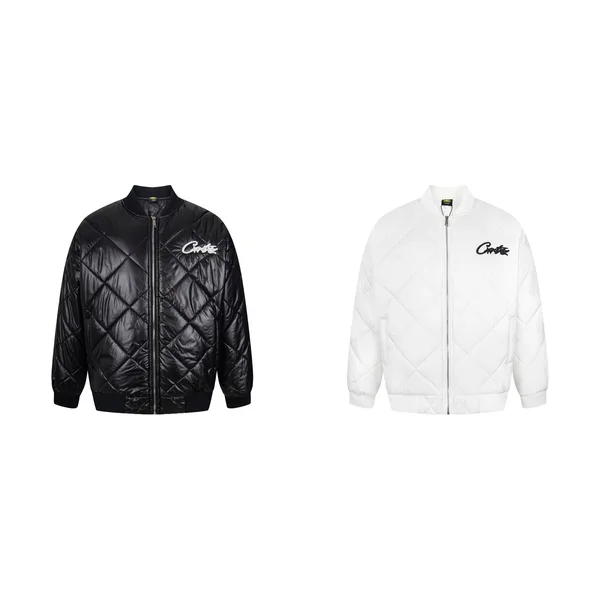
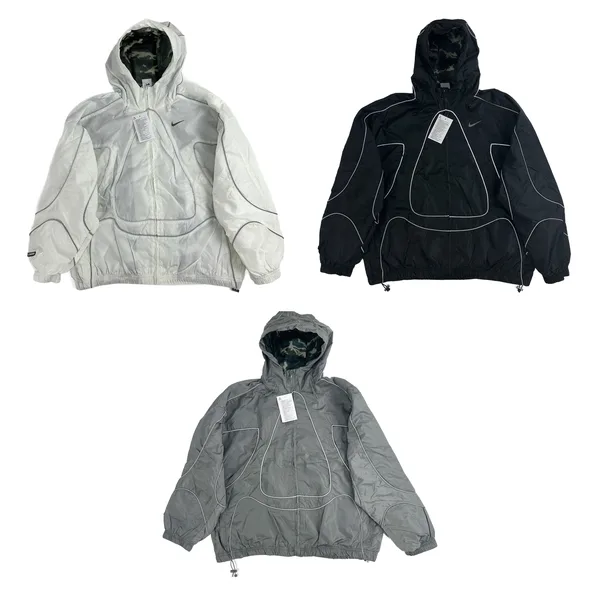
$25.50 – $54.00
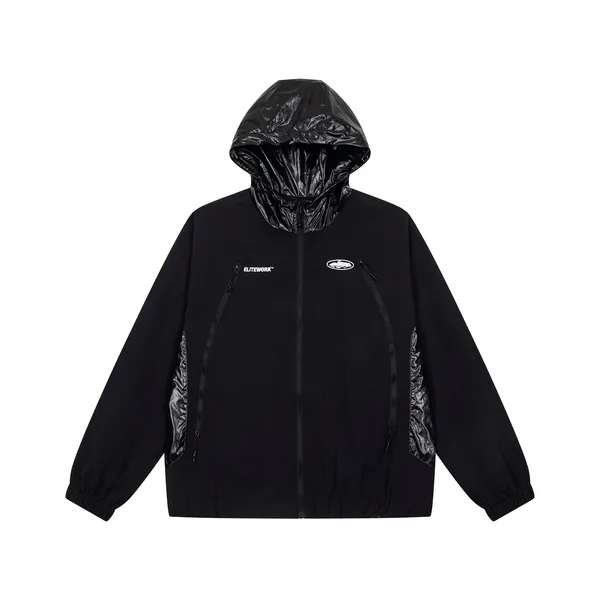
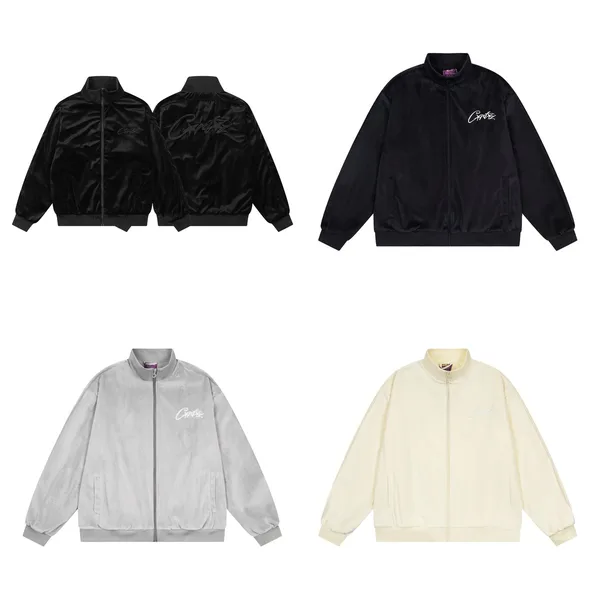
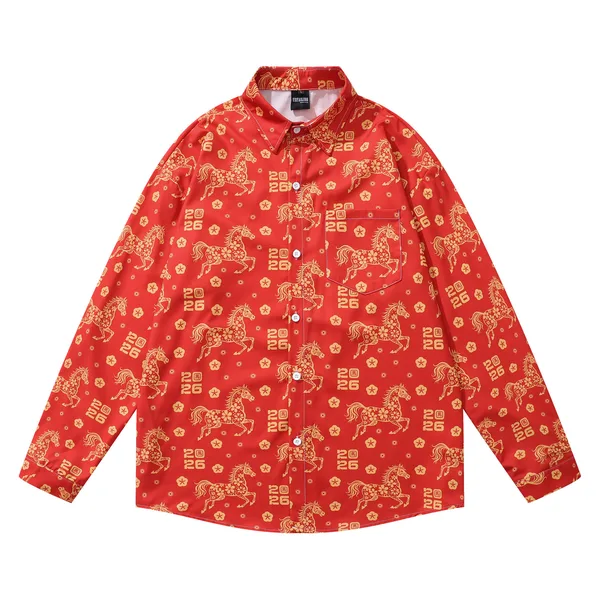
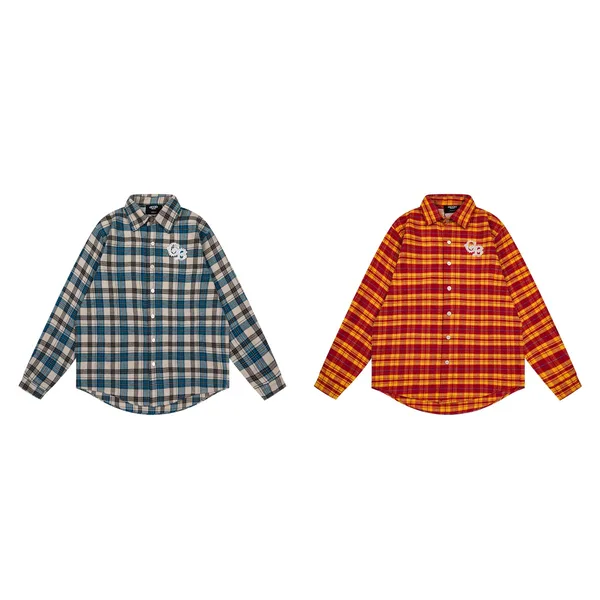
$24.00 – $44.85
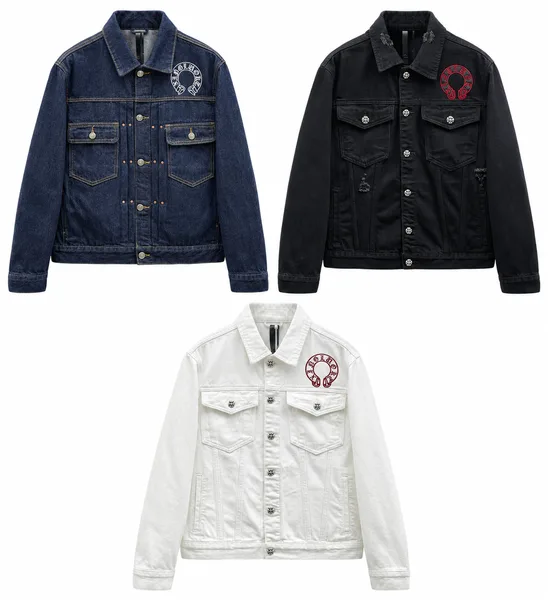
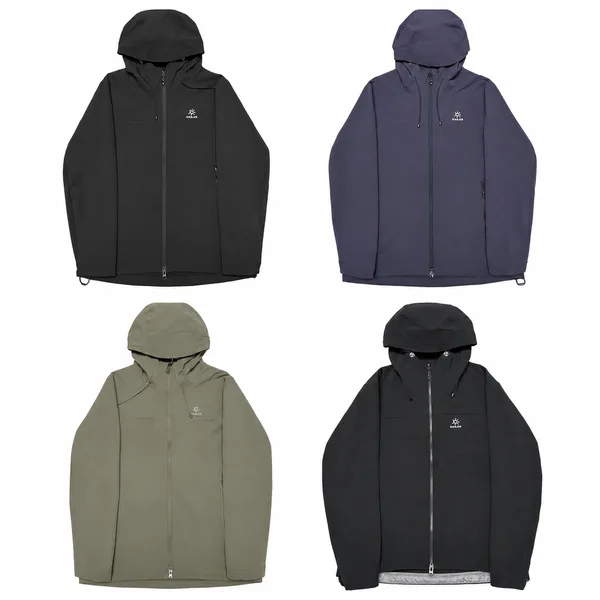
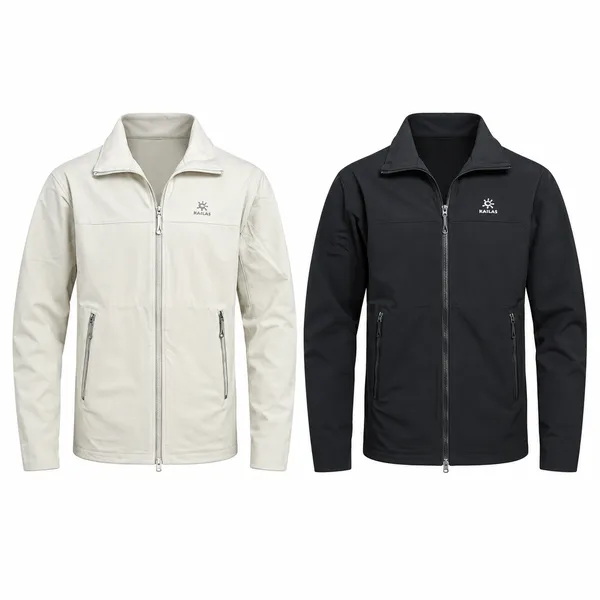
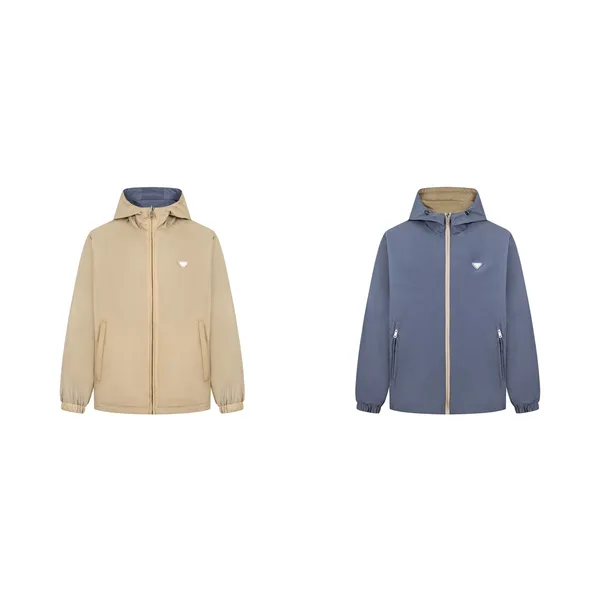
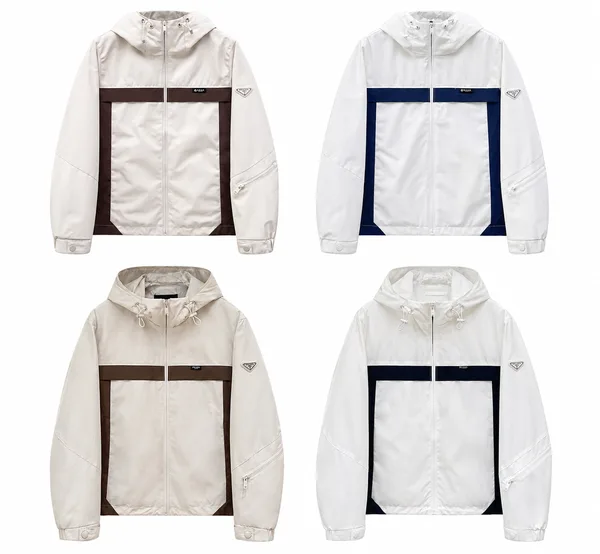
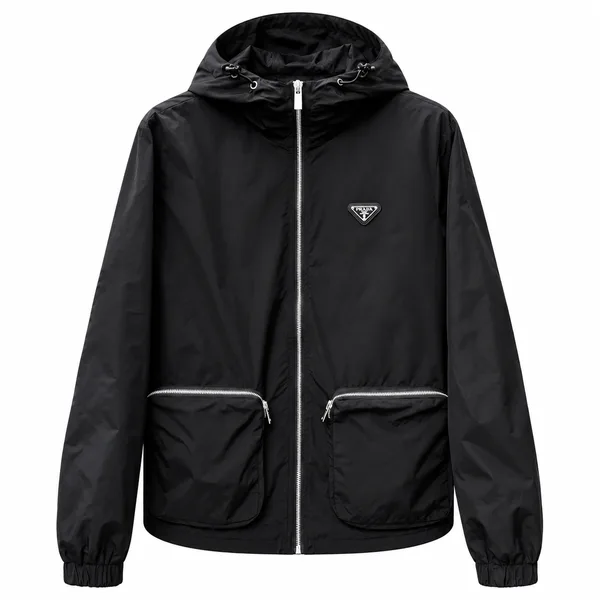
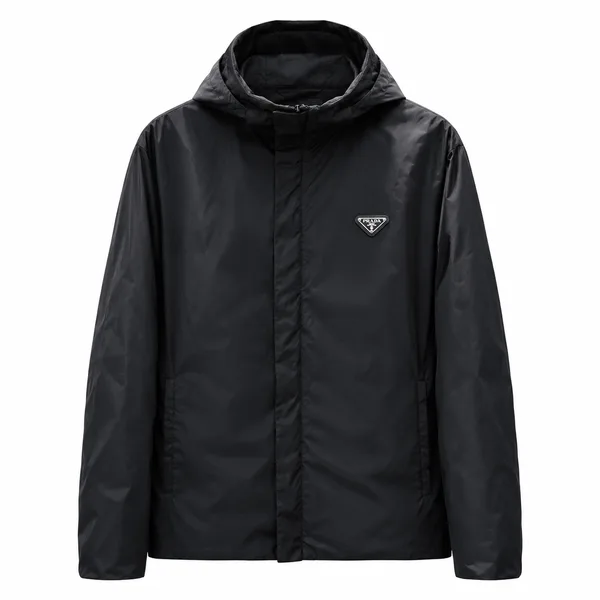
A jacket often does the most work at the edge of an outfit: the collar frames the face, the shoulder sets the line, and the hem decides how much of the layer beneath is visible. Choosing one becomes easier when you think about those proportions before the colour or logo.
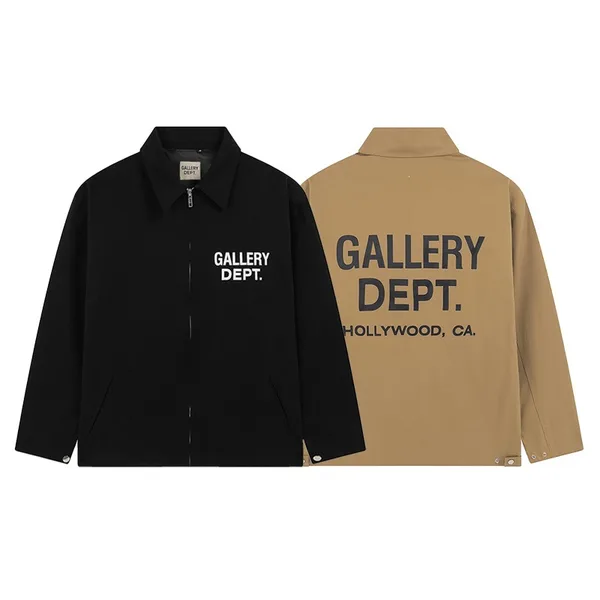
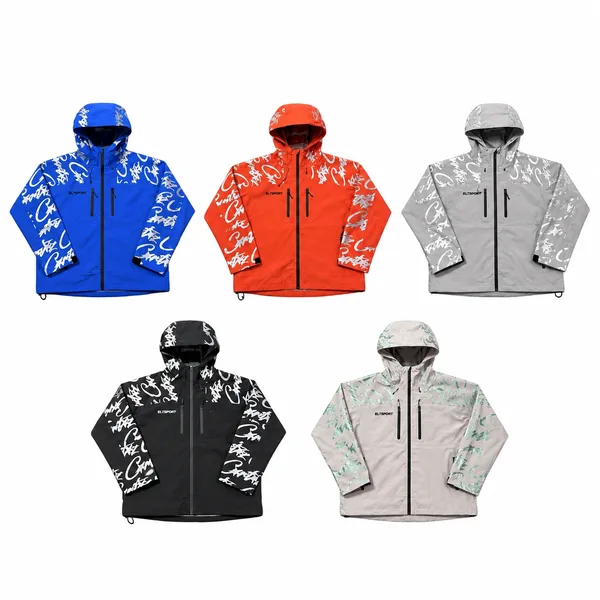
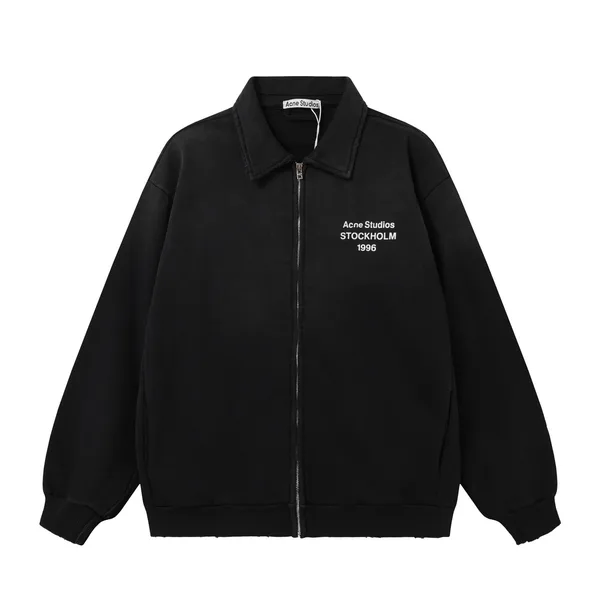
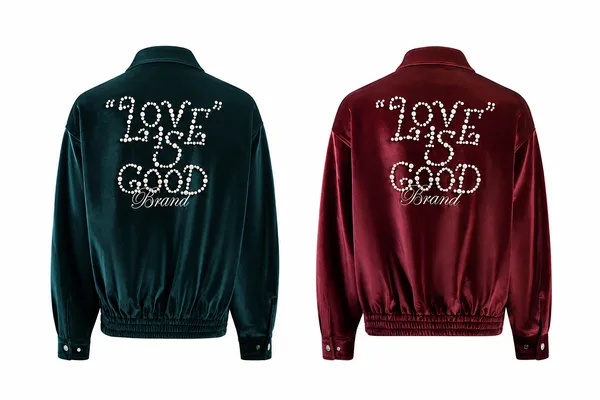
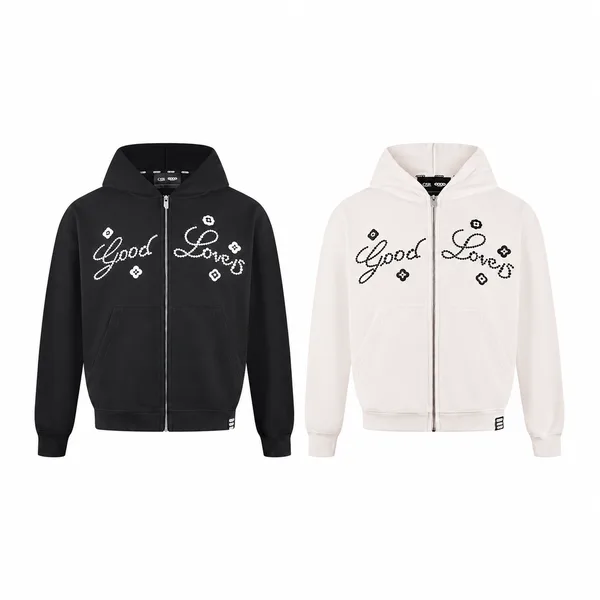
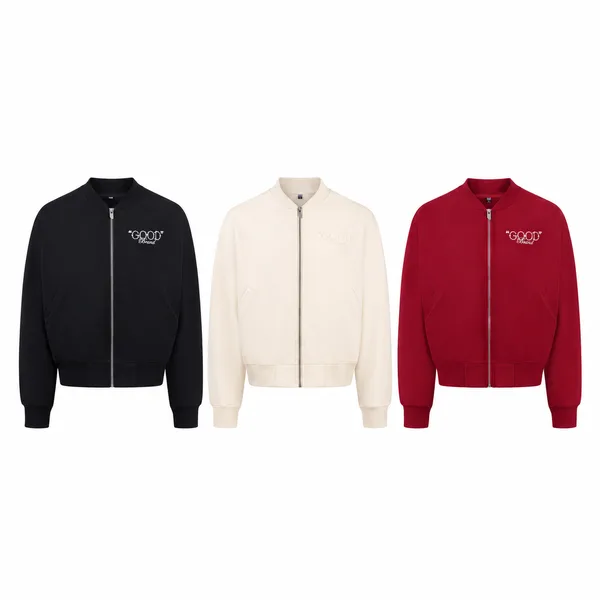
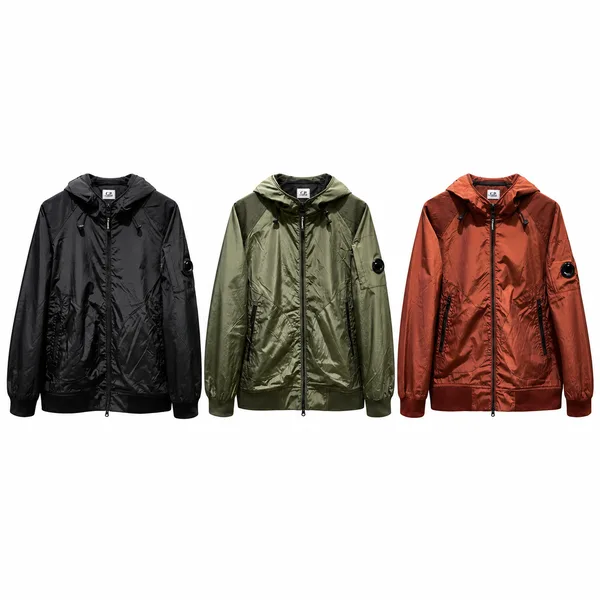
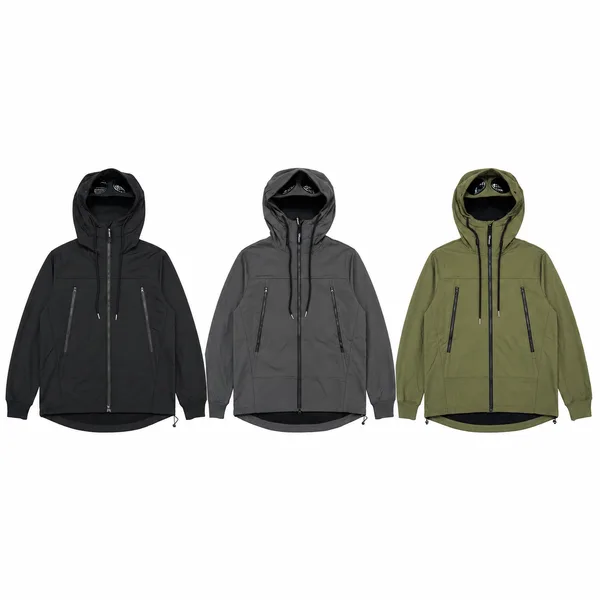
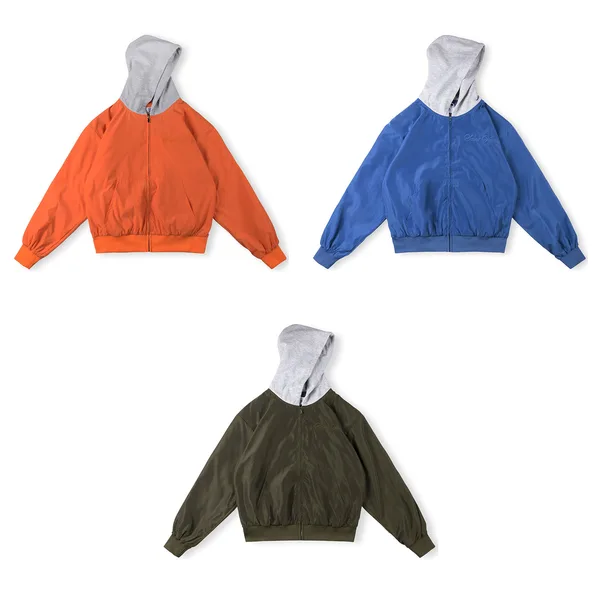
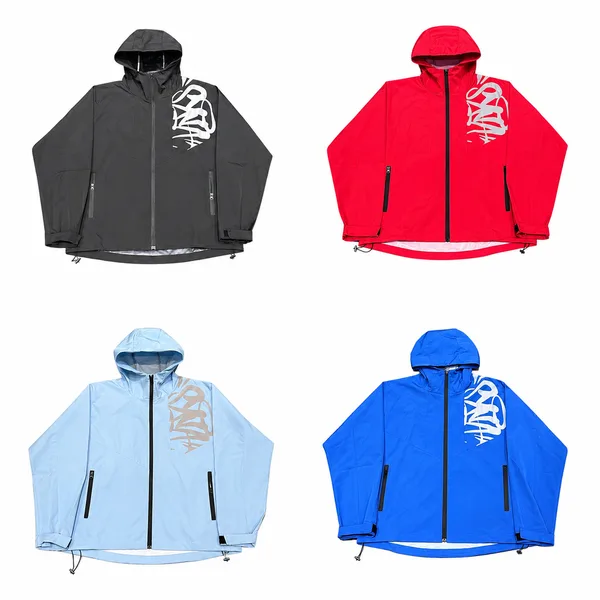
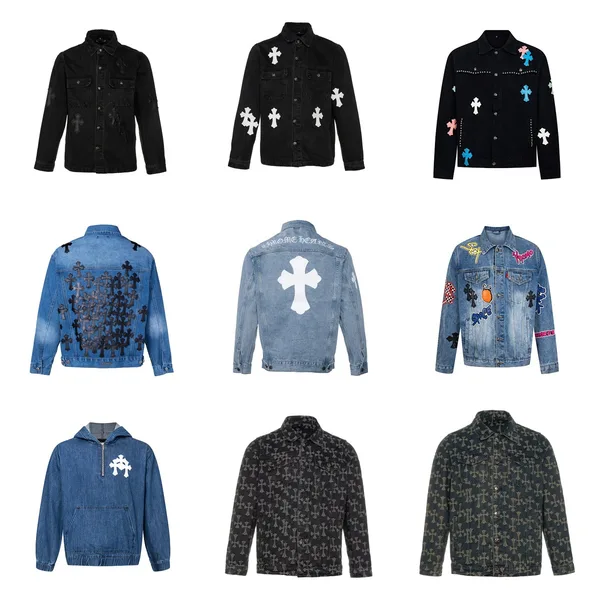
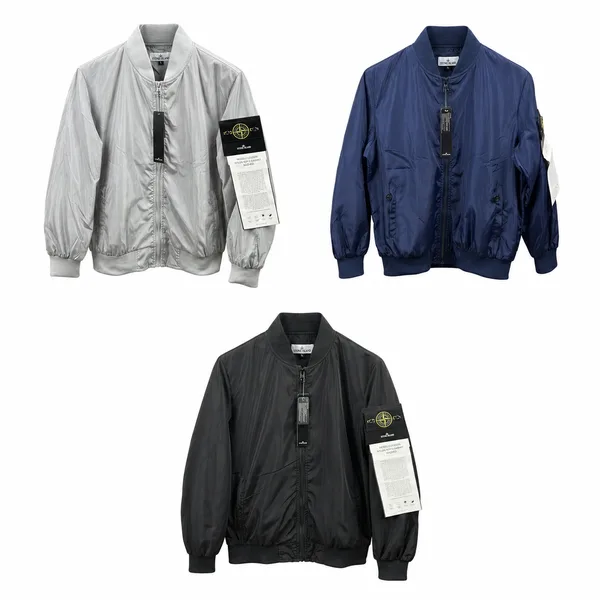
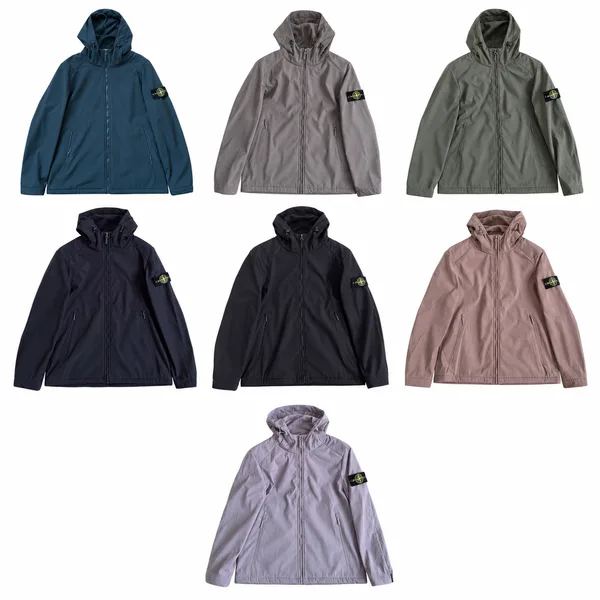
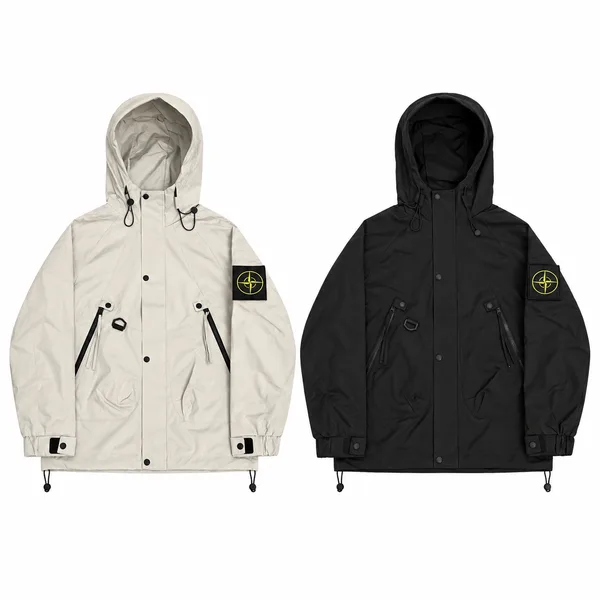
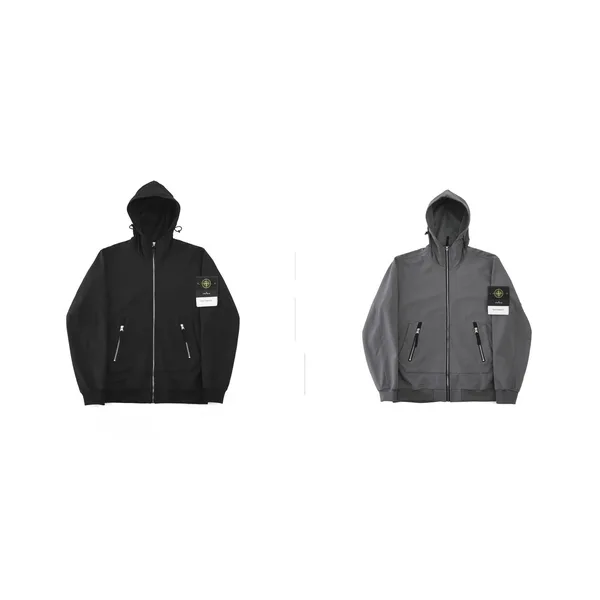
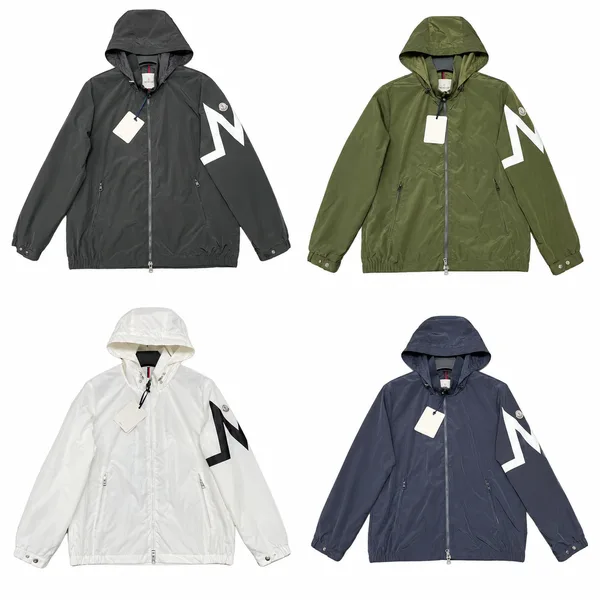
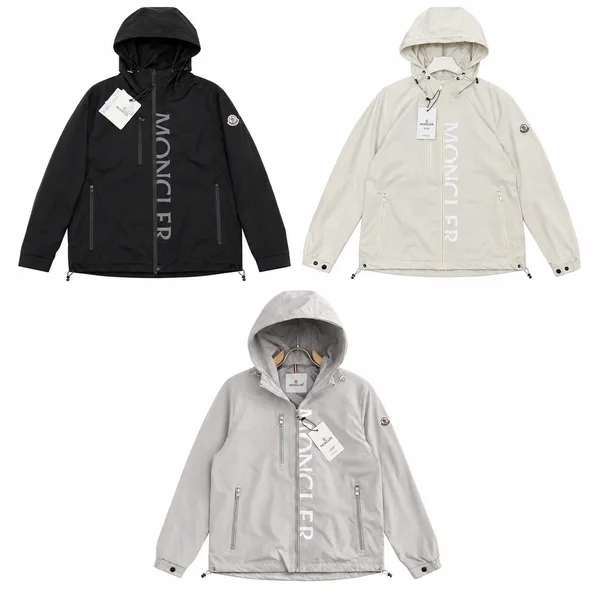
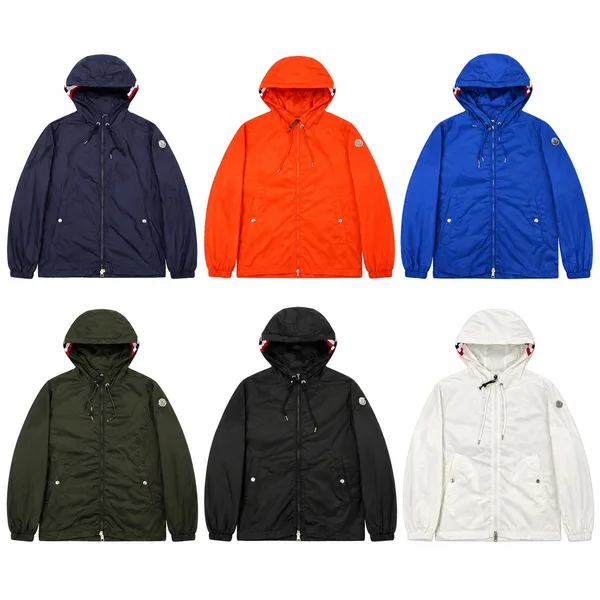
This OopBuy jackets spreadsheet brings short zip jackets, hooded styles, sleeveless layers and other outerwear into one collection. On oopbuy-shopping.com, compare the shapes in the combined covers, then open the product for its individual choices and available factory photos. The aim is a jacket that works with your clothes, not simply the first attractive cover.
Try a construction word such as “short jacket”, “hooded”, “zip-up” or “sleeveless”, then add a colour or brand. This works better than treating every outer layer as interchangeable. If you are dressing around loose trousers, compare shorter hems; if you want to wear a long sweatshirt underneath, check how the two hems will sit together rather than choosing by the jacket’s front alone.
These listings show why “jacket” is only a starting point. Comparing the openings and sleeve shapes helps separate a casual layer from a more structured-looking option.
| In the collection | What to compare |
|---|---|
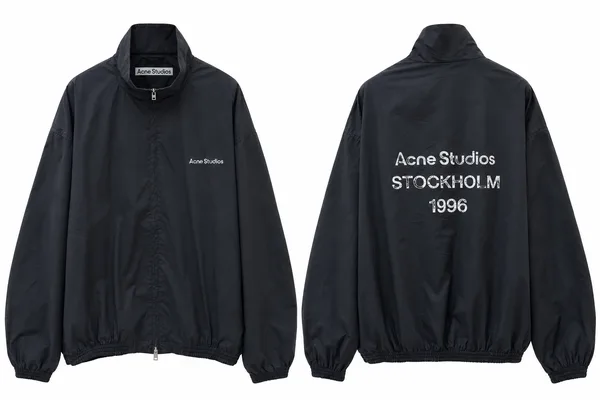
| Zip-Up Short Jacket | Compare the short body with the rise of your trousers; check whether you want your inner hem to show. |
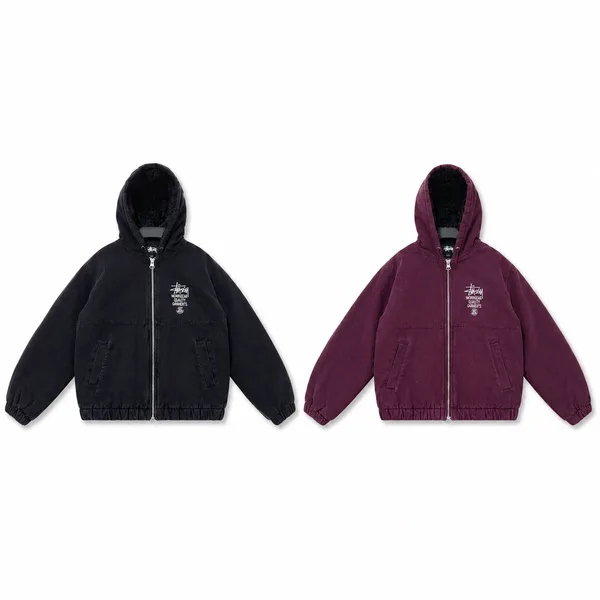
| Stüssy Hooded Zip-Up Jacket | Consider the hood under a bag strap and over the collar of your inner layer. |
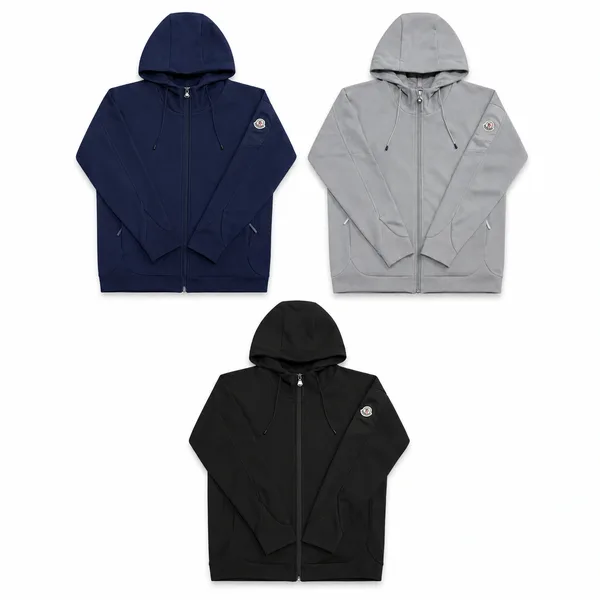
| Moncler Hooded Sleeveless Jacket | Check armhole shape and body width independently, rather than treating it as a jacket with the sleeves removed. |
| gallery dept Letter-Print Notched Collar Jacket | Look at the lapel, front opening and lettering together when deciding whether to wear it open or closed. |
First picture the jacket over your most ordinary T-shirt and trousers. Then try it mentally over a thicker knit. Finally, imagine it open with the shoes and bag you use most. If it works in only one highly styled photograph, identify what makes that photograph work: a very high trouser waist, a short inner layer or an unusually slim sleeve may be doing part of the job.
This is particularly useful for cropped and boxy jackets. A shorter body can make the legs look longer, but it also exposes more of the layer underneath. A broad shoulder can balance wide trousers, while combining it with a very narrow lower half creates a stronger contrast. Decide which balance you want before choosing a larger size for the look.
Look at the zip or buttons, collar shape, cuffs and pocket placement. A zip-up style can look different worn open, and a fixed hood adds bulk under another layer. When several colours share one product page, open each group you are considering. Shared detail photographs can explain construction, but the individual option image is still the starting point for colour and panel placement.
Compare shoulder width, chest and sleeve length with a jacket you own. Dropped shoulders change where the sleeve begins, so sleeve length alone can be misleading. For sleeveless pieces, check the armhole and chest room over the intended inner layer. A category name does not tell you whether an item is insulated, waterproof or suitable for cold weather; those are product-level details.
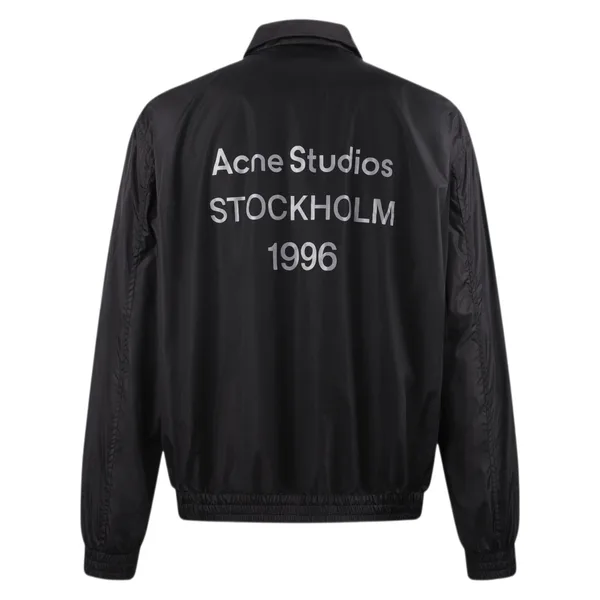
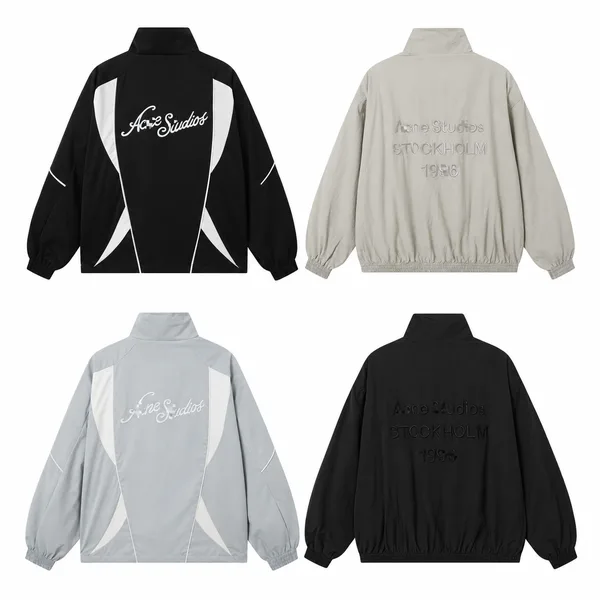
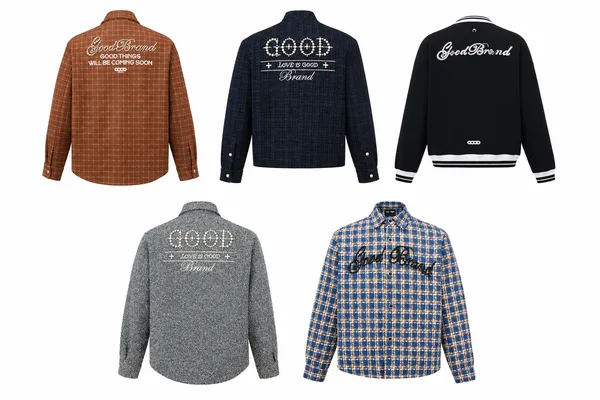
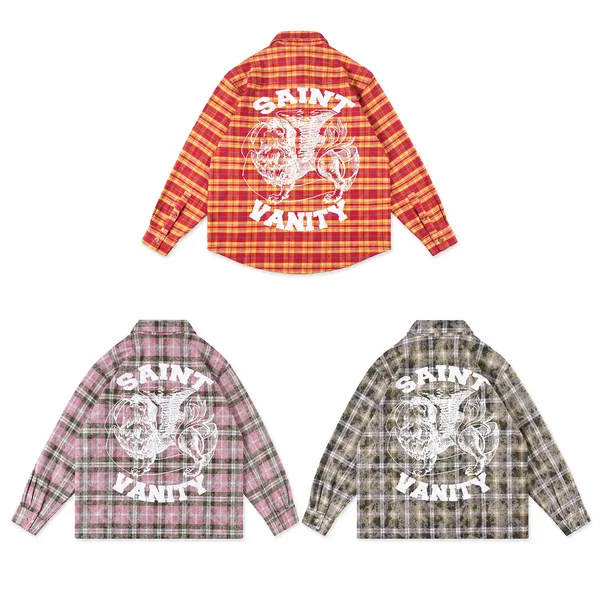
Open both listings at a full-front view, rather than comparing a close-up of one with a styled shot of the other. Match the position of the collar, shoulder seam, pocket and hem. Then look at a back view when supplied. A front that looks plain may have a large rear graphic, a different panel or a gathered hem that changes the shape.
Only after that comparison should you compare the chosen-option prices on OopBuy. A price range may belong to different colours, sizes or explicitly described versions. If a higher-priced option is labelled as a different batch or quality tier, read what actually changes; the number itself is not a description of fabric, fastening or finish.
A useful jacket is not only about its front. The following checks help connect the pictures to how you will actually wear it. Use the dimensions and construction information available for that particular option, rather than borrowing specifications from another jacket with a similar name.
| What to compare | How to use it |
|---|---|
| Cuffs and sleeves | Check sleeve length with the cuff in its normal position. A tight cuff and a loose sleeve do not fit like an equally wide straight sleeve. |
| Front opening | A full zip, buttons and a pullover opening allow different layering choices. Verify the actual opening before planning to wear it loose. |
| Pockets and lining | Look for photos of the openings and inside where available. Do not assume that a visible flap proves a usable pocket or that an unshown lining has a particular material. |
| Rain and wind | If weather protection matters, look for explicit product specifications. A smooth outer surface alone does not establish waterproof construction. |
Keep two or three jackets with the silhouette you want, then compare the selected option prices on OopBuy. Check whether the listing contains separate garments, not just different colours. Before international dispatch, use the warehouse photos to confirm the chosen colour, closure and size label. This is also the useful moment to raise an obvious mismatch, while the item is still in China.
Compare the stated back or body length with a jacket you already wear, using the same measuring points. Product photographs alone do not establish where the hem will sit on you.
Use it as a starting point, then compare chest and armhole space over your intended layer. The size label does not describe how wide that opening is.
Only if the selected option says so. A jacket shown with trousers may still be sold separately.
They may differ in construction, material, version or seller. Compare the actual specifications and selected options; price alone does not explain the difference.
Check shoulder and chest room, sleeve width and the neckline with that layer in mind. Compare a jacket you already wear over a hoodie. Extra body length alone will not create space in the upper arm or around a bulky hood.
Yes. Open the rear view before deciding it is a plain outer layer: back graphics, panels or lettering may be much stronger than the front. A quiet pair of trousers can help a detailed jacket remain the focus.