Octagonal Bezel Watch
$70.36
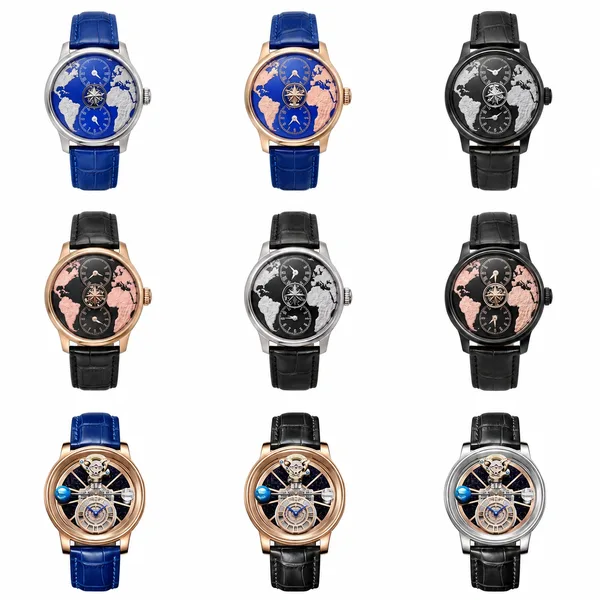
World Map Dial Watch
$201.77 – $351.78
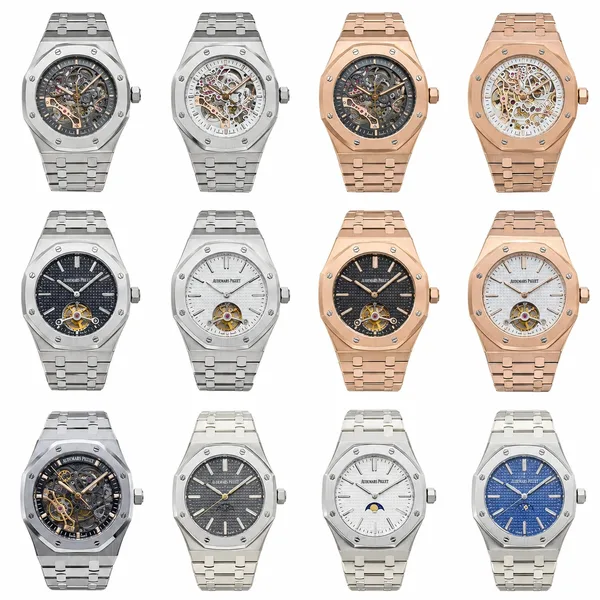
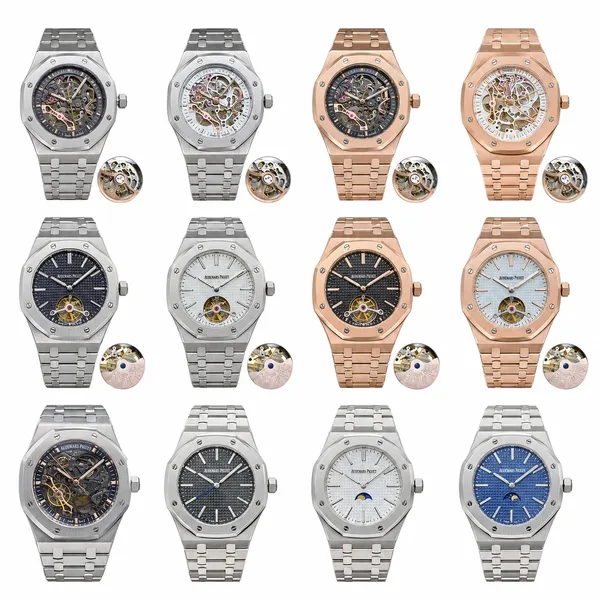
Audemars Piguet Octagonal Skeleton-Dial Watch — Grey
$84.76 – $91.51
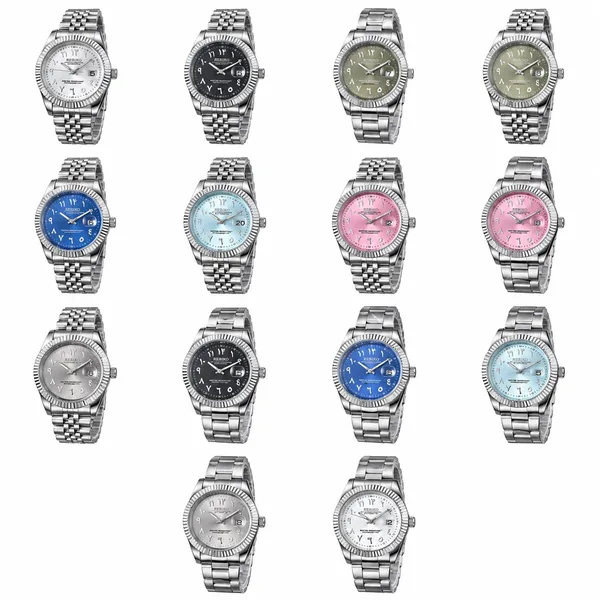
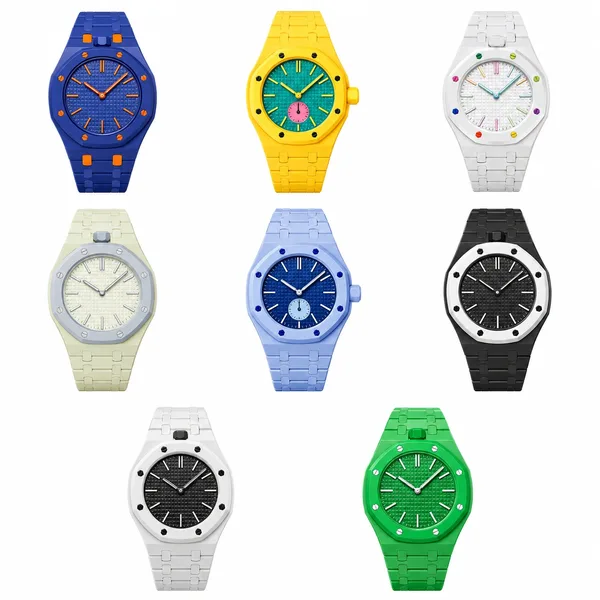
Seiko Colored-Dial Bracelet Watch
$59.85 – $89.86
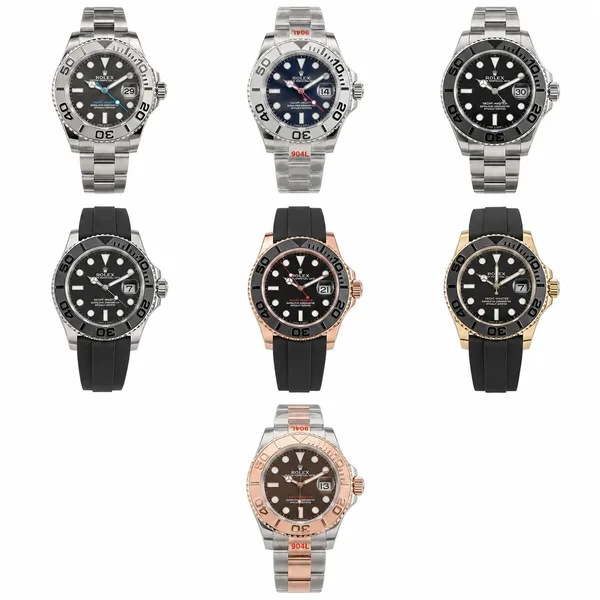
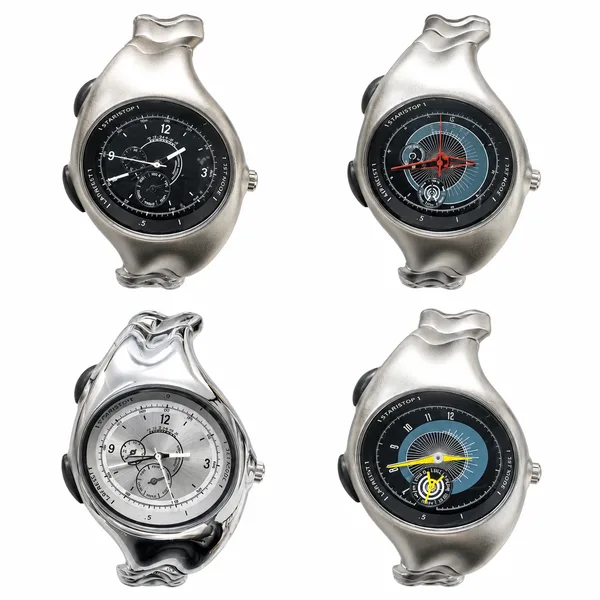
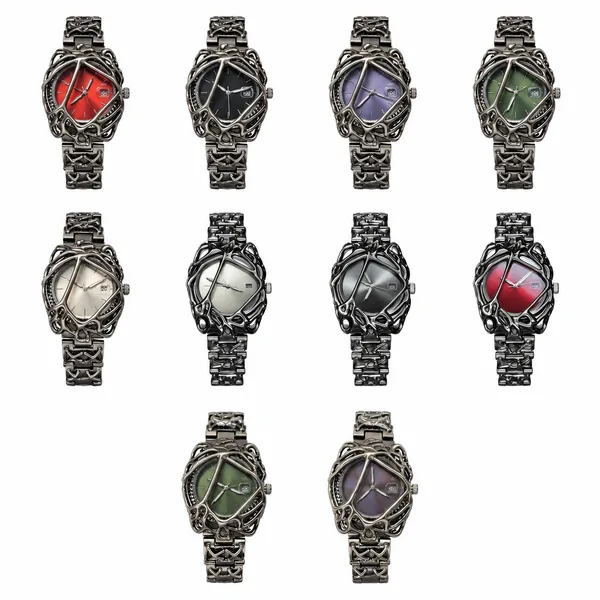
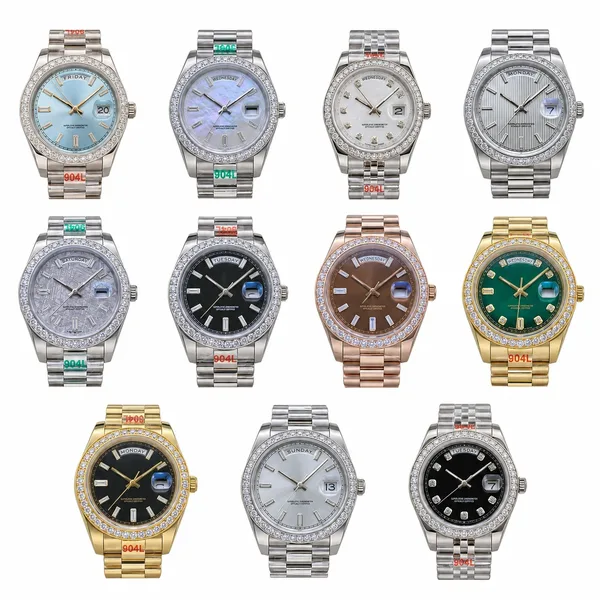
Openwork Frame Watch
$29.85
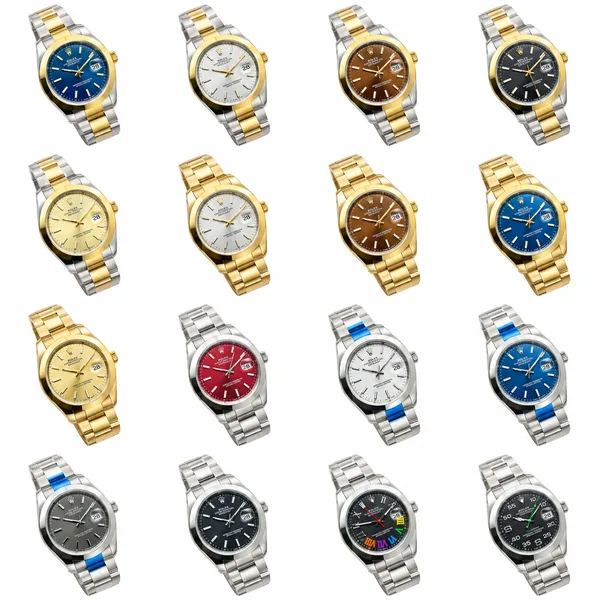
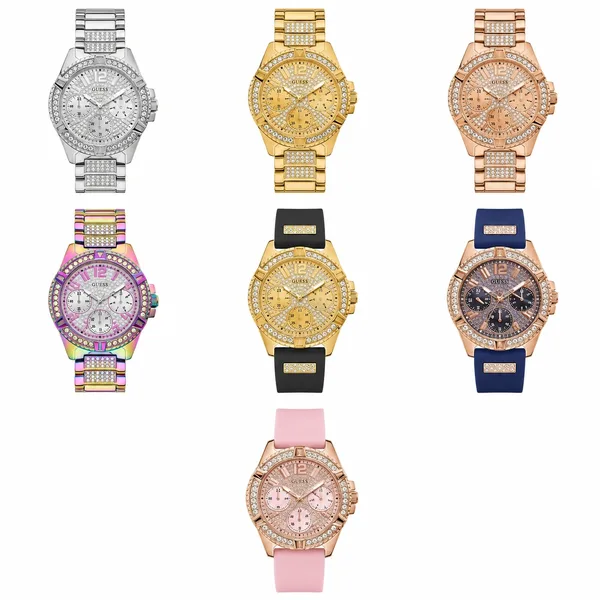
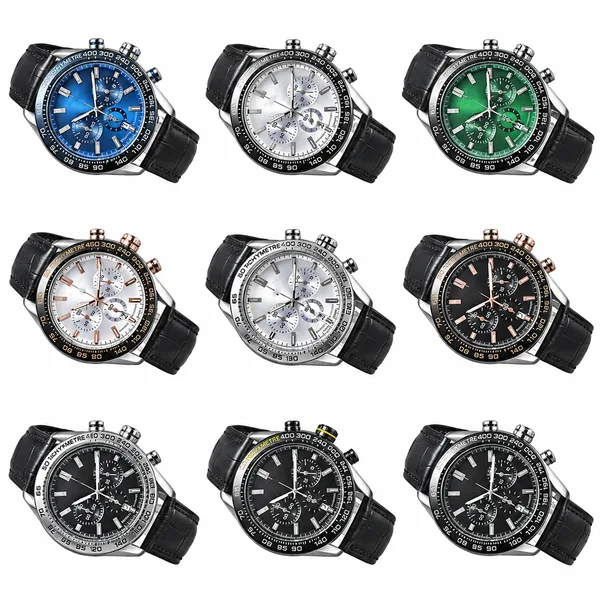
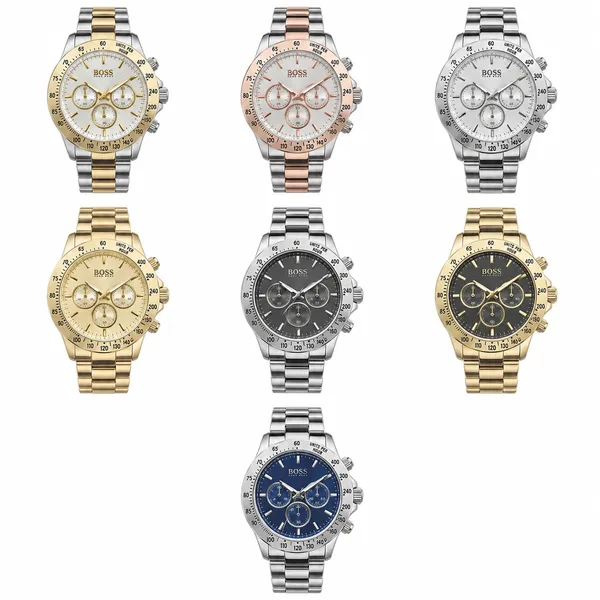
Multi-Subdial Watch
$29.85
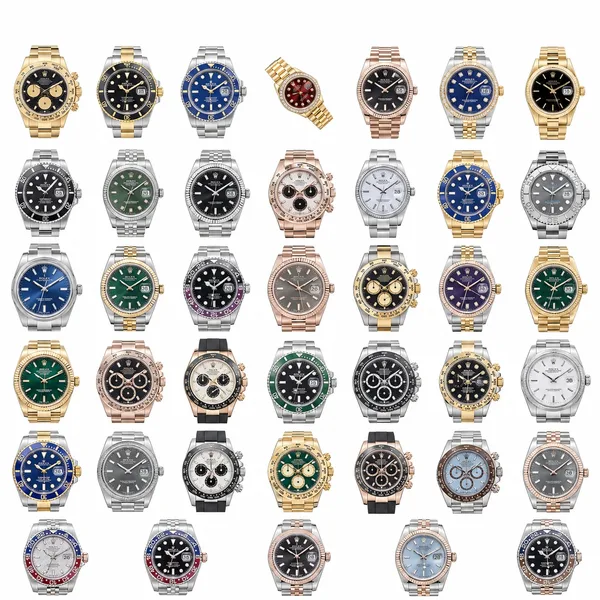
Rolex Bracelet Watch
$88.21 – $148.21
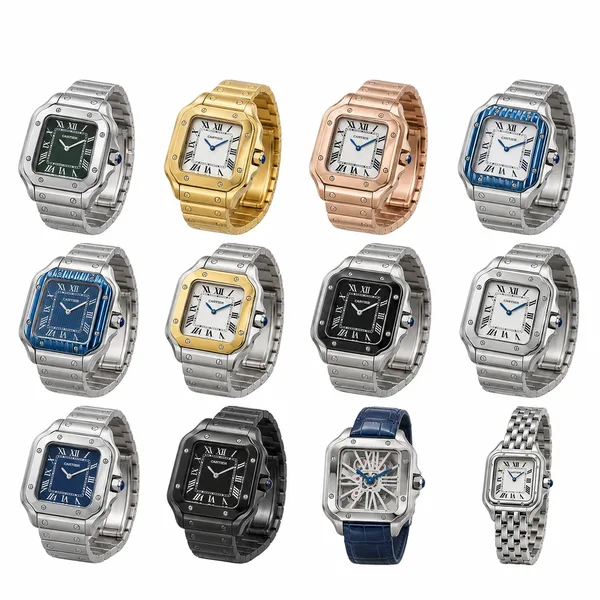
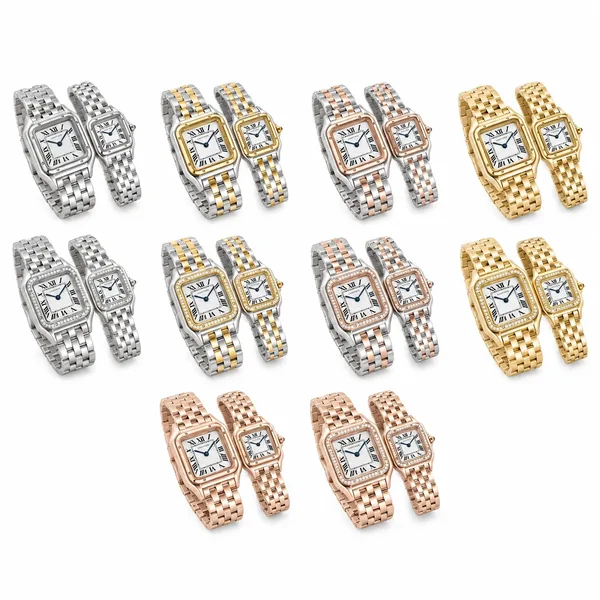
Cartier Square Case Metal Bracelet Watch
$32.70 – $268.22
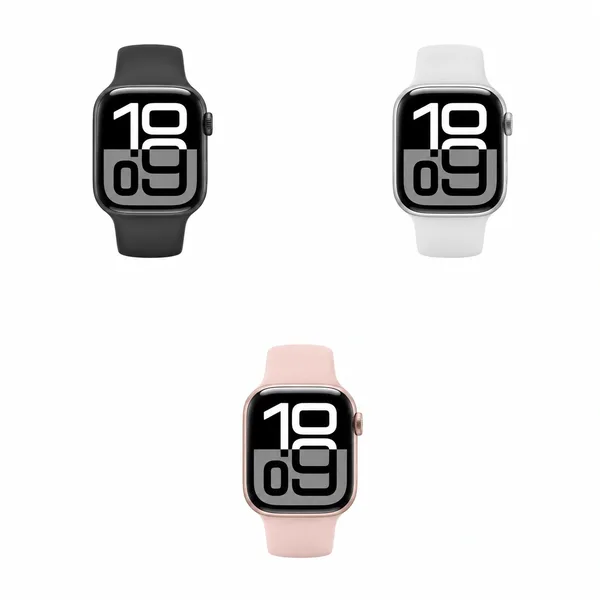
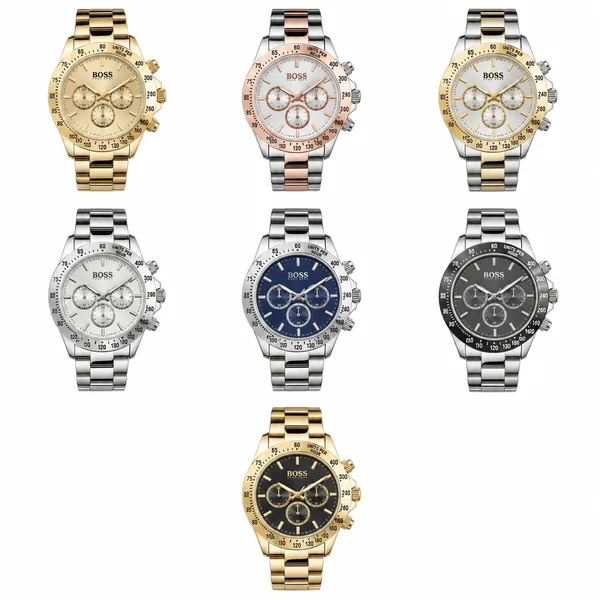
BOSS Multi-Subdial Bracelet Watch — Grey
$43.20 – $88.21
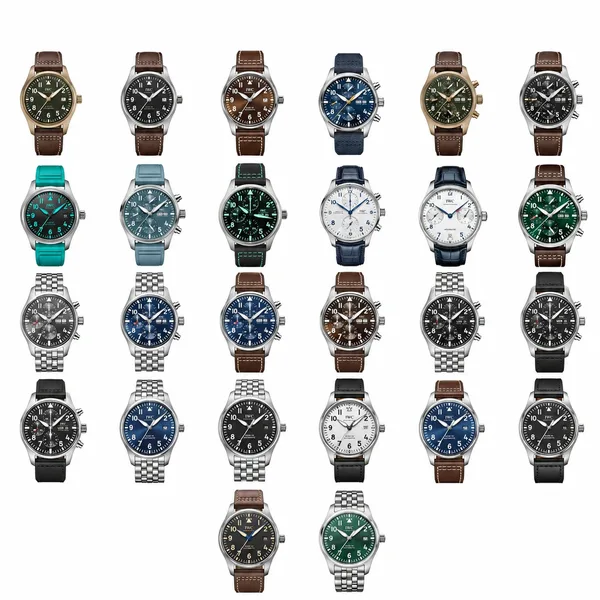
IWC Round-Dial Watch
$119.86 – $342.78
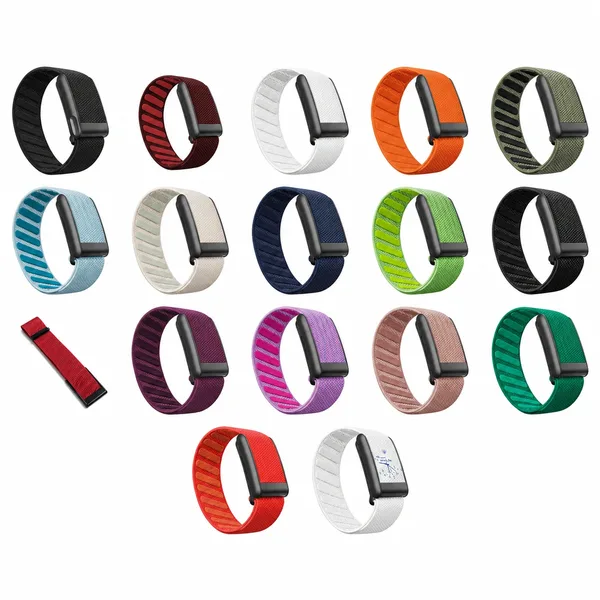
Woven Loop Watch Band
$12.75
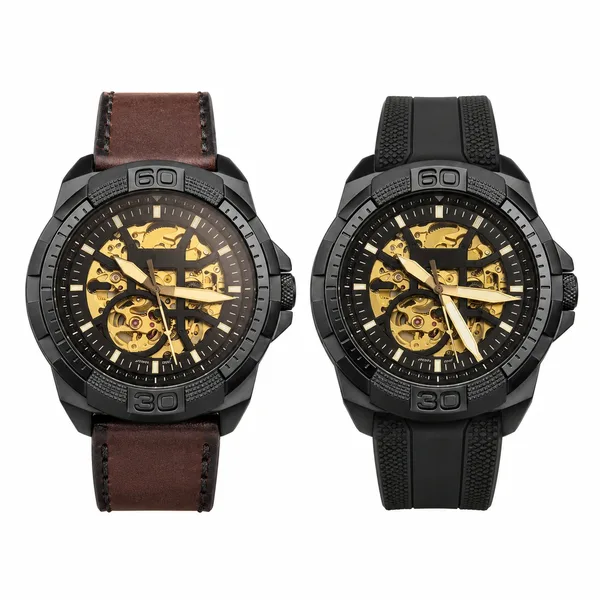
Skeleton-Dial Watch
$83.57
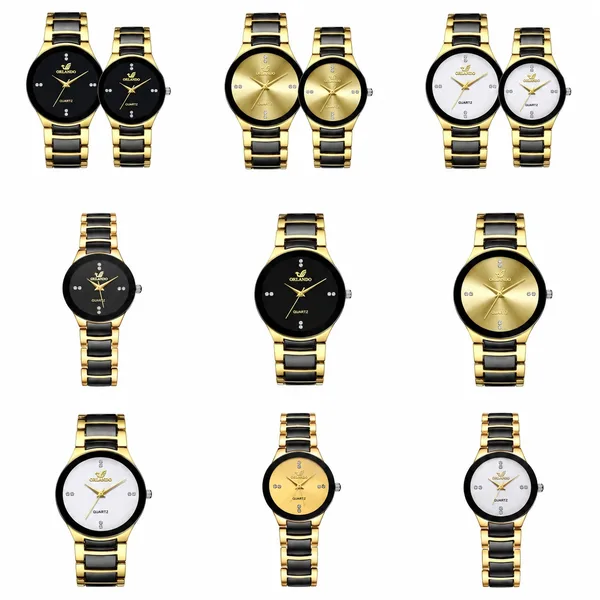
ORLANDO Two-Tone Link Bracelet Quartz Watch
$10.46 – $15.35
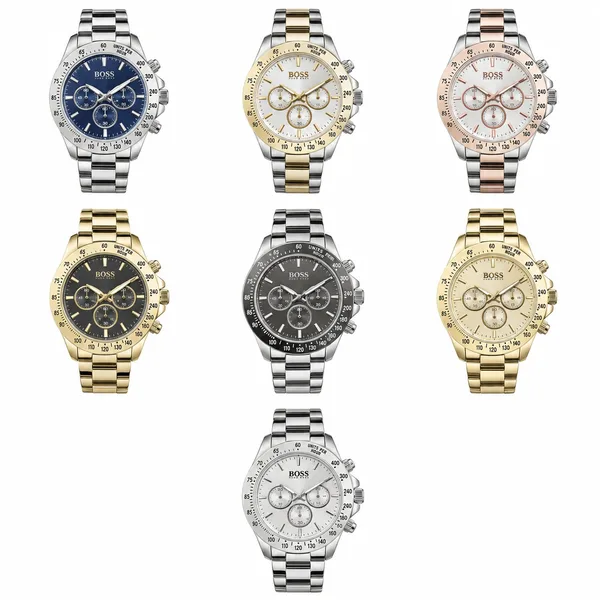
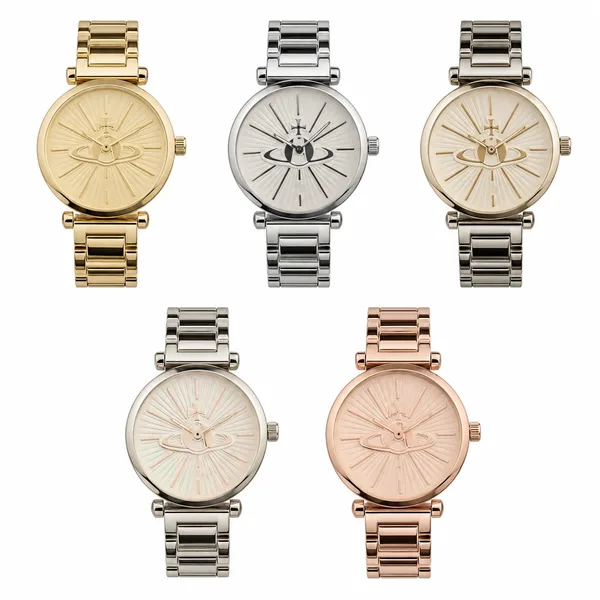
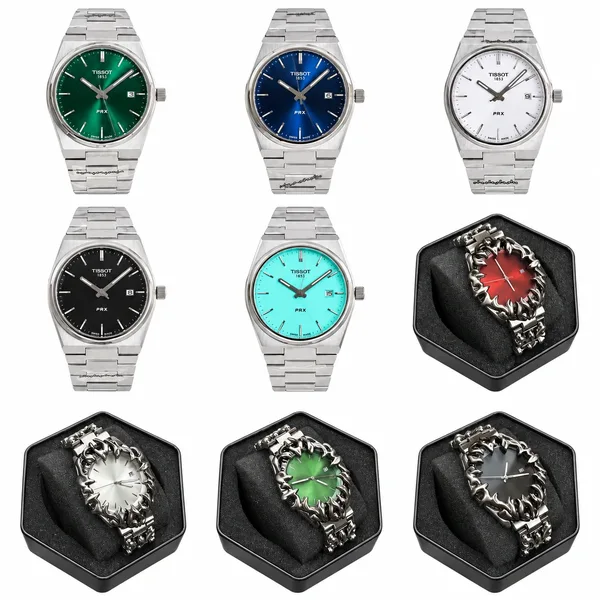
Tissot Metal Bracelet Watch
$40.50 – $58.46
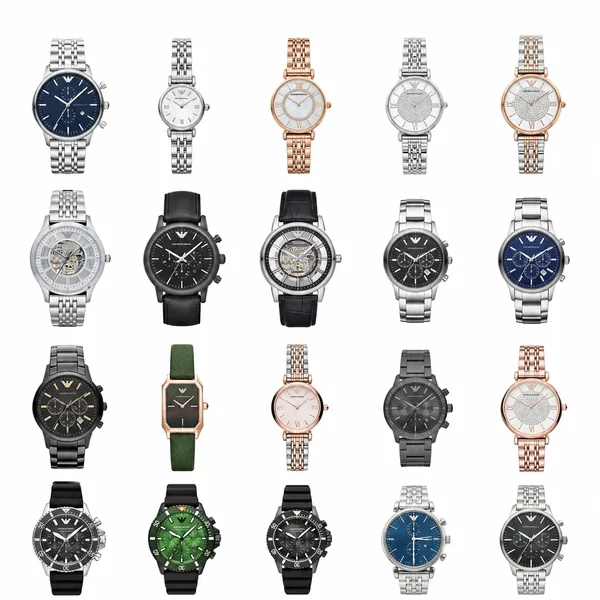
Emporio Armani Watch
$44.42 – $129.48
OopBuy Watches Spreadsheet: Compare the Dial, Case and Fit
A watch changes character with its proportions. A broad bezel can make the dial feel smaller; an open-looking dial creates a different impression from a clear, simple face. Before comparing colours, decide whether you want a quiet daily piece or something more sculptural, then check how that shape will sit on your wrist.
Use this OopBuy watches spreadsheet to compare cases, dial layouts and straps in one place. Combined covers make visible variants easier to scan, while individual product photos help you examine the chosen option. Treat the design name as a starting point; movement, dimensions and any functional rating need the specific listing’s information.
Find the dial you enjoy reading
Look at the contrast between hands, markers and the dial, not just its colour. A busy skeleton-style design and a simple face offer different visual experiences. Search for a dial feature or case shape to narrow the selection. When several colours share a cover, compare the individual image: a small change in hands or markers can alter both the look and readability.
Start with the dial and case shape
These catalog examples emphasise different visual features. Compare the parts you can see, then confirm the specifications that matter to your use.
| In the collection | What to compare |
|---|---|
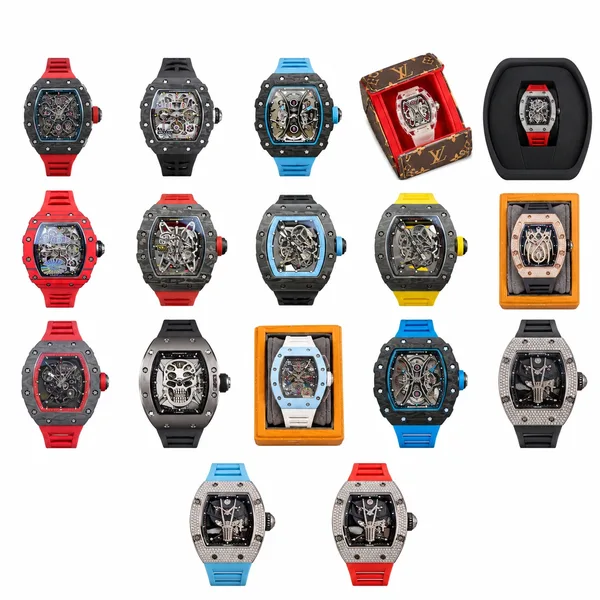
| Audemars Piguet Octagonal Skeleton-Dial Watch | Compare the angular case and open-looking dial with a simpler face; confirm the movement separately. |
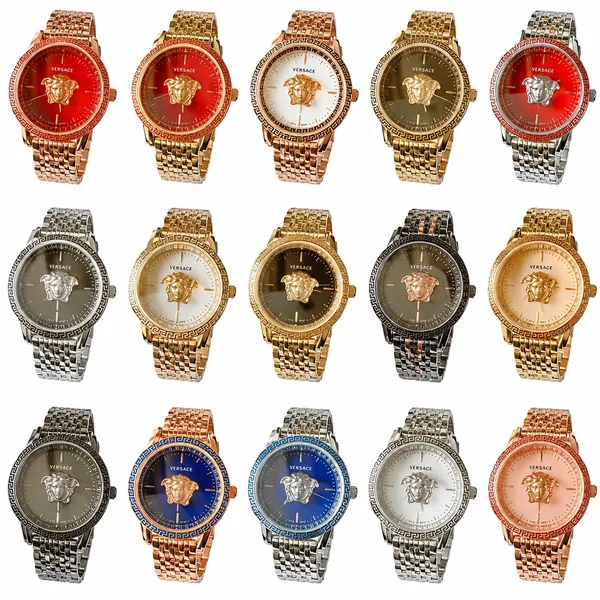
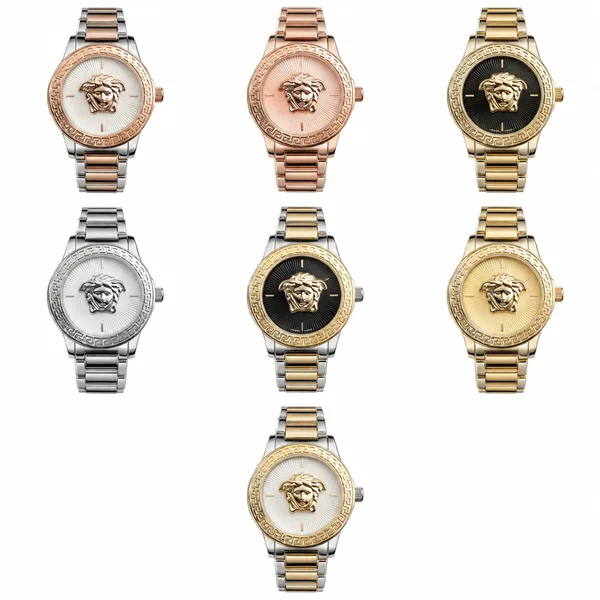
| Versace Medusa Head Watch | Consider the central motif and how clearly the hands stand apart from it. |
| Seiko Colored-Dial Bracelet Watch | Compare dial colour, bracelet tone and the case-to-strap proportions. |
| Sculpted-Case Analog Watch | Check the side profile and case length before choosing a distinctive outline. |
Wrist fit involves more than the diameter
Measure your wrist circumference, then look for case diameter, thickness and the distance across the lugs. Two watches with the same diameter can sit differently if one has longer lugs or a thicker case. A close-up can exaggerate size, so use measurements instead of the scale of the photograph.
The strap matters just as much. Check the available adjustment range, clasp design and whether a bracelet needs links removed. If you wear a watch under a fitted shirt cuff, case thickness deserves attention; if it will sit beside knitwear, a rough fastening or sharp edge is worth checking in the detail photos.
Compare case proportions with your wrist
Case diameter is only part of the fit. Thickness and the distance from one strap attachment to the other influence how a watch sits, especially on a smaller wrist. Compare with a watch you already find comfortable. For a bracelet, check the supplied length and adjustment method; for a strap, look at the fastening range rather than assuming it fits everyone.
Read the specification behind the appearance
Confirm the stated movement type and the functions of any subdials or buttons. An open dial does not by itself identify the movement, and decorative details should not be treated as working features. Check any water-resistance specification before planning exposure to water. Factory photos help compare visible finishing, but cannot establish timekeeping accuracy or water resistance.
Separate the appearance from the specifications
A familiar dial shape does not establish what is inside the case. Use the listing’s explicit specifications for the movement and functions, and ask about an important missing detail before ordering. The comparison below helps keep a visual choice from becoming an unsupported technical assumption.
| What to compare | How to use it |
|---|---|
| Dial and hands | Compare contrast and legibility in a straight-on view, not only a dramatic angled photo. |
| Movement and functions | Confirm the stated movement type and whether each displayed subdial or window is functional. |
| Water resistance | Use an explicit rating and care instructions. Appearance and price are not a water-resistance test. |
| Bracelet or strap | Confirm sizing and fastening for the selected option; similar dial colours may use different straps. |
Make a precise check before international delivery
At warehouse arrival, compare the dial colour, case finish, strap and included pieces with the order. A clear face photo and a view of the fastening can help confirm the visible option. Photographs do not test timekeeping accuracy or water resistance; if a functional check is important, ask which checks are actually available.
Check the permitted shipping route for the actual watch and any battery before submitting the parcel. Keep enough protection around the face and clasp to avoid contact with harder items in a combined shipment. Your final route and cost depend on the contents and destination shown in OopBuy, rather than the category’s displayed product price.
Choose the complete combination on OopBuy
Match the case colour, dial and strap together when selecting your option. Review included packaging and accessories, the price and the available delivery arrangements. After warehouse arrival, check the visible combination against your order. Ask about anything that needs a closer inspection before international dispatch, rather than relying on a broad collection title to identify the watch.
Frequently Asked Questions
Is case diameter enough to judge the fit?
Also compare thickness, lug-to-lug length and the strap’s adjustment range with a comfortable watch.
Does a skeleton dial mean an automatic movement?
No. Confirm the selected watch’s movement information rather than inferring it from the face.
Are the small dials functional?
Check the functions stated for that exact version. Similar-looking dials can have different constructions.
Can I swim with a watch that looks like a sports model?
Appearance does not establish water resistance. Confirm the applicable specification and permitted use first.
Which dial is easier to read at a glance?
Compare the hands against the dial in a straight-on photo. Clear contrast and distinct hour markers are useful starting points. A busy open-work design may be visually striking while needing a closer look to read; lighting in a photograph can also change the apparent contrast.
How should I compare a metal bracelet with a buckle strap?
Check the usable size range and adjustment method for each. A bracelet may require link removal; a buckle strap uses its hole positions. Confirm the supplied length and clasp before choosing, especially if your wrist sits near the end of the stated range.