JACQUARD Scarves
$32.70
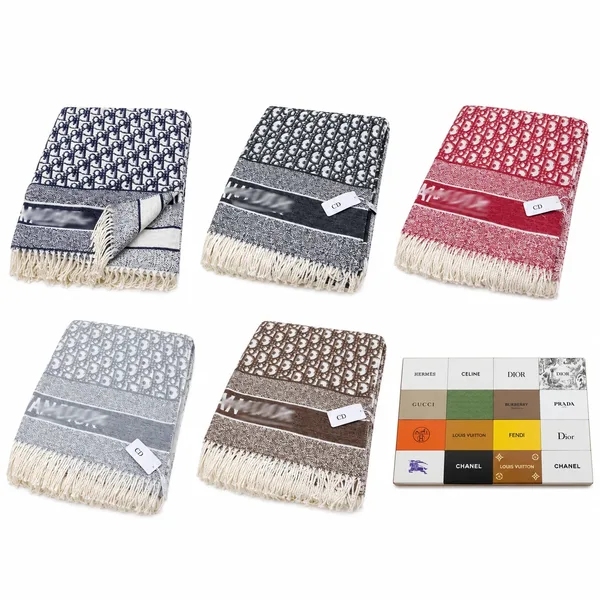
Dior Shawl Scarf
$13.20
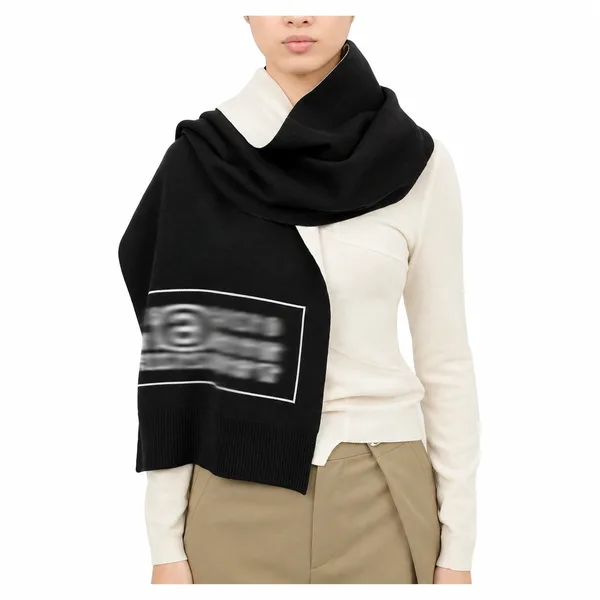
m.s Scarf
$19.20
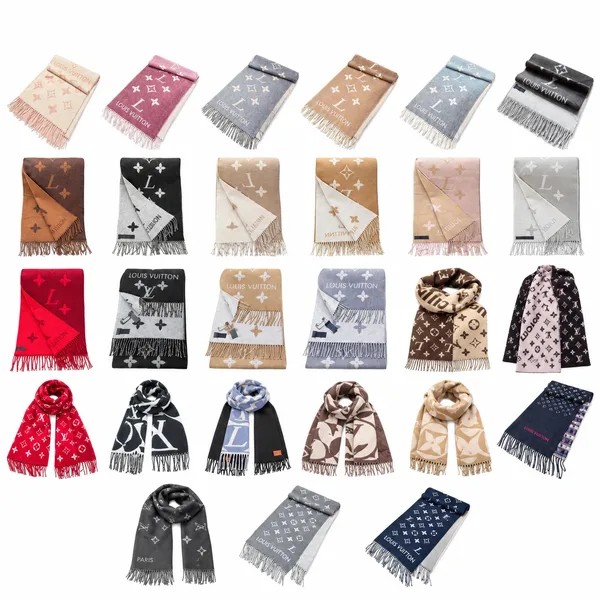
Louis Vuitton Scarves
$58.35
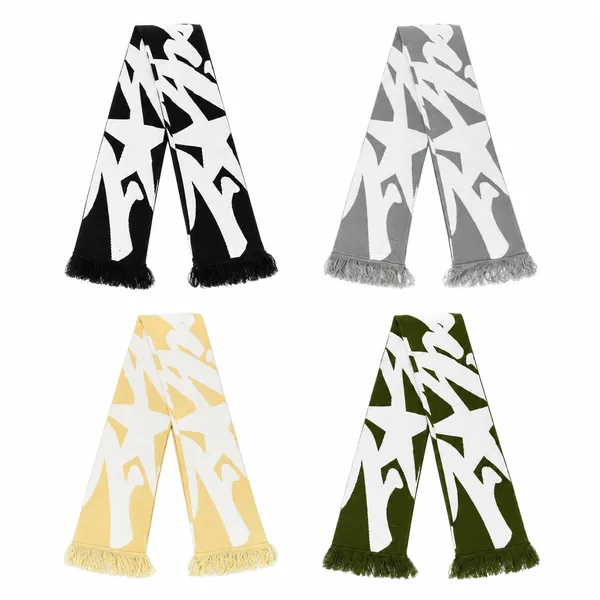
Crtz Pattern Scarf
$22.50
OopBuy Scarves Spreadsheet: Colour, Length and Ways to Wear
A scarf is often the part of a winter outfit that brings its colours together. A narrow dark edge can sharpen a plain coat; a larger check can soften a simple knit. The pattern matters, but so do the width, the length left hanging after a wrap, and the way the reverse appears when the scarf moves.
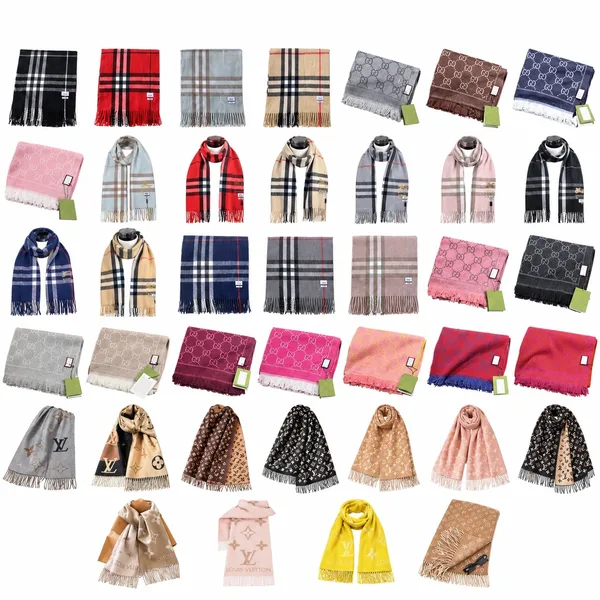
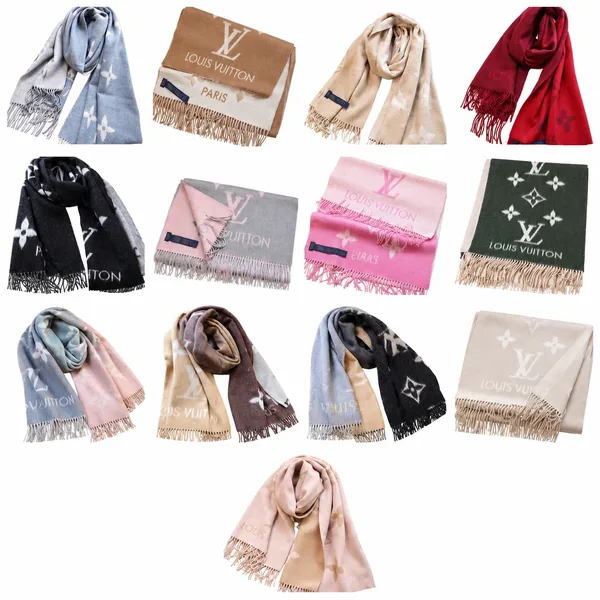
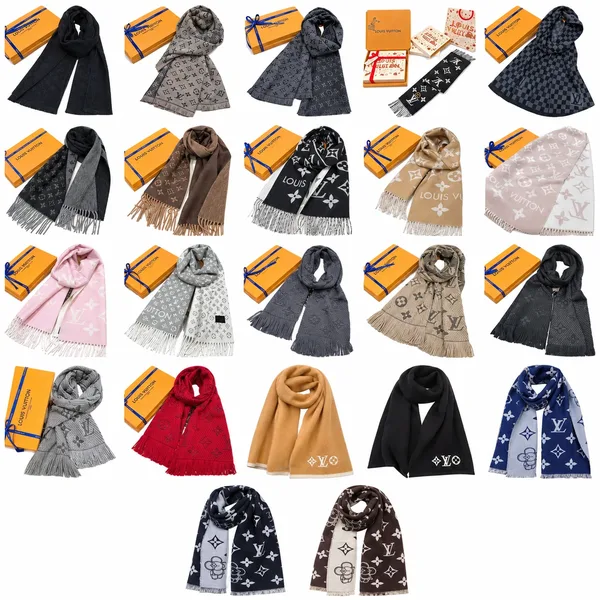
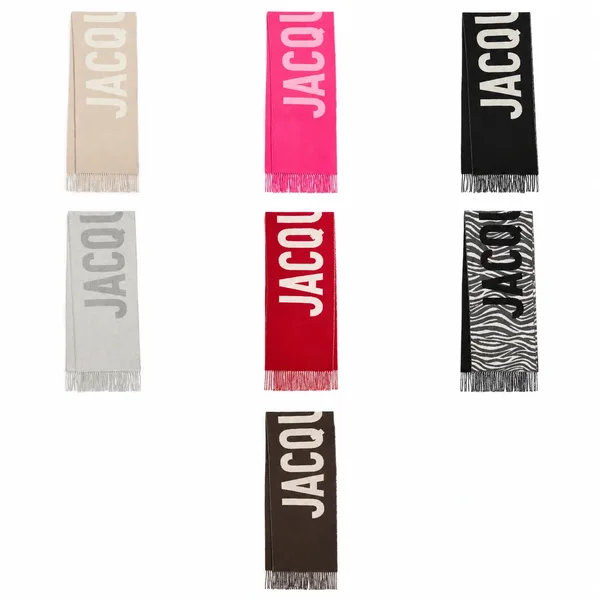
Use this OopBuy scarves spreadsheet to compare long scarves, fringed options and shawl-like shapes. The collection covers make the palette easier to scan; the individual product photos help you see borders and ends. Choose the actual option on OopBuy after checking its dimensions and any stated material information.
Use your coat as the starting point
With a plain coat, a checked or patterned scarf can become the focus. With a patterned jacket, a quieter colour may be easier to combine. Search a colour or pattern word, then compare the lightest and darkest areas in the cover. Think about the part that will sit next to your collar, not only the design when the scarf is laid out flat.
Start with the kind of contrast your outfit needs
These current listings let you compare a repeating motif, a shawl shape, a plain fringed style and a check. The difference is useful even when you are still deciding on a colour.
| In the collection | What to compare |
|---|---|
| Louis Vuitton Monogram Fringed Scarves | Look at motif scale and how the border appears when folded. |
| Dior Shawl Scarf | Check width and length before treating it as a neck scarf or a shoulder layer. |
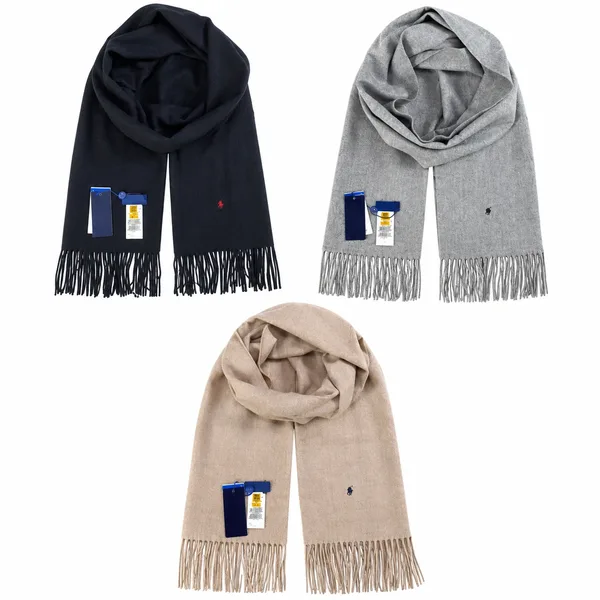
| lfll Solid Color Fringed Long Scarf | A quieter starting point when the coat already carries a strong pattern. |
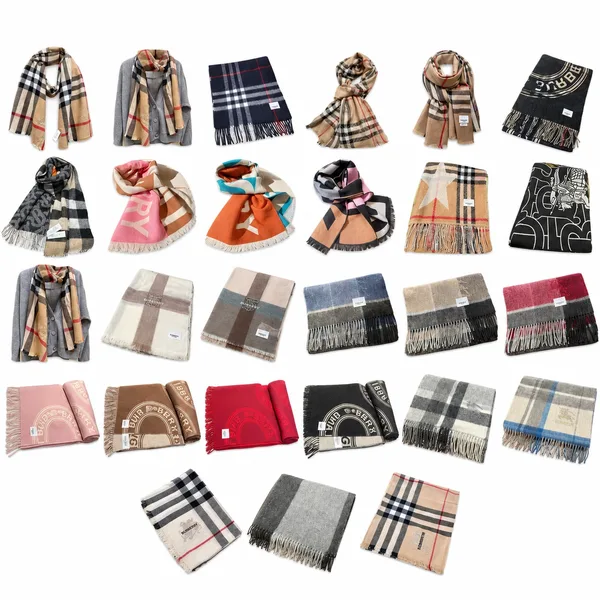
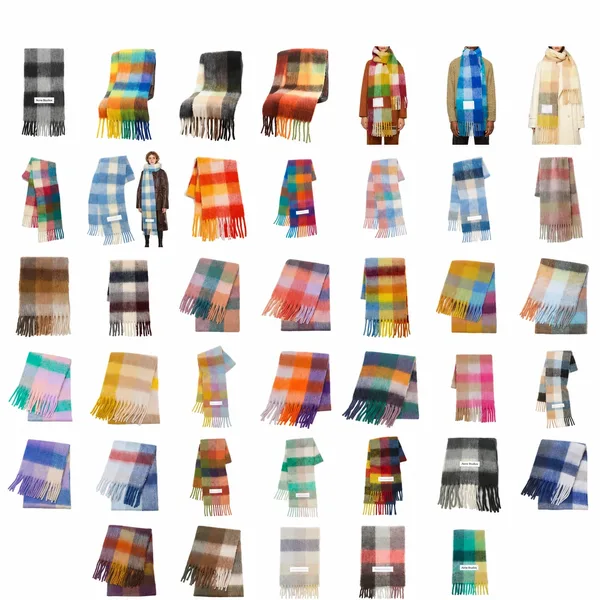
| Burberry Multicolor Check Fringed Scarf | Choose a check that repeats one colour from your coat rather than matching every accessory. |
Choose the wearing method before the pattern
A single loose drape shows more of the full pattern and the ends. Wrapping once brings the centre of the scarf closer to the face and leaves less length below the collar. A wide shawl used over the shoulders requires a different amount of fabric again. Measure a scarf you already use in the way you enjoy; its length and width are a practical reference.
Consider the collar underneath. A broad scarf over a padded hood can feel visually crowded; the same scarf over a clean coat neckline has more room to unfold. If you want the colour to appear only as a small accent, compare what remains visible after folding, not just the photograph of the scarf laid completely flat.
Length decides more than the pattern does
A short scarf worn inside a jacket needs different dimensions from one looped around the neck with long ends. Check width as well as length, and whether the stated length includes the fringe. Use a scarf you own to test the intended wrap before comparing numbers. A large-looking photograph can show a narrow scarf folded several times.
Look at both faces and the finished edges
Open detail photographs to compare the reverse, border, fringe and any contrasting end panel. Reversible-looking colours are not proof that both sides have the same finish. If fibre content or warmth is important, use the selected option’s composition information rather than inferring cashmere or wool from a soft-looking surface. The images are most useful for pattern scale and visible construction.
Read the border, reverse and fringe
Small details become more visible when a scarf is worn close to the face. Compare both ends, the transition from pattern to border and the reverse if shown. A reversible appearance in a styled photograph does not by itself establish that the item has two independently finished faces; check what the selected listing actually describes.
| What to compare | How to use it |
|---|---|
| Pattern scale | Imagine how much survives one fold; a large motif may appear only in fragments. |
| Length and width | Compare with your preferred wrap and whether the listed length includes fringe. |
| Material and care | Use the stated composition and care label. A soft-looking photograph cannot establish fibre content. |
A simple way to narrow a multicolour listing
Choose the coat first, then identify two scarf options: one close to the coat’s tone and one with a controlled contrast. Compare both beside the collar colour. This is more useful than selecting the brightest option on a white cover and discovering that it competes with everything you wear.
At ordering, match the selected pattern to its option photo, including the border colour. For warehouse checks, ask about an unclear label or a missing view before dispatch. When the material has a particular care requirement, keep that information with the item instead of applying the same washing routine to every scarf.
Order the pattern you compared
A combined listing can contain several brands, patterns or sizes. Follow the OopBuy link and match the individual option image before paying. Check whether the order is for one scarf or a stated set. At the warehouse, compare the border colour and end pattern as well as the main motif; these can distinguish similar options more clearly than the overall colour.
Frequently Asked Questions
How do I know whether it will wrap twice?
Compare its full length with a scarf you can already wrap that way. Neck circumference, knot style and the desired hanging ends all matter.
Does the price include a matching hat?
Only when the selected option explicitly describes a set. A styled photograph may include items sold separately.
Can I identify the fibre from a close-up?
A close-up can show texture, but composition needs the item’s material information or label.
What is worth checking in warehouse photos?
The selected pattern, border, fringe and visible condition. Check measurements separately if length is central to your choice.
Why does a scarf look different when wrapped?
Folding hides some of the pattern and brings the border or reverse forward. Compare the visible folded area with your coat, not only the full flat image.
Can I choose a shawl solely from its category name?
Check the dimensions and the intended way you will wear it. A category label does not tell you how much fabric will cover your shoulders.