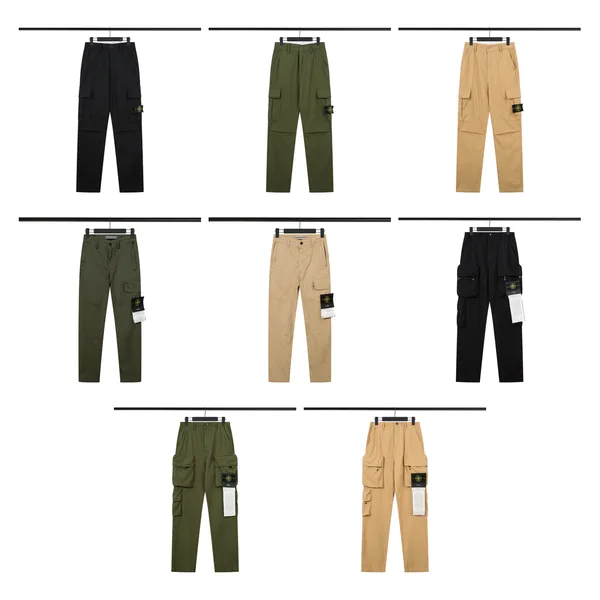
Stone Island Casual Utility Trousers
$27.90 – $38.40
$27.90 – $38.40
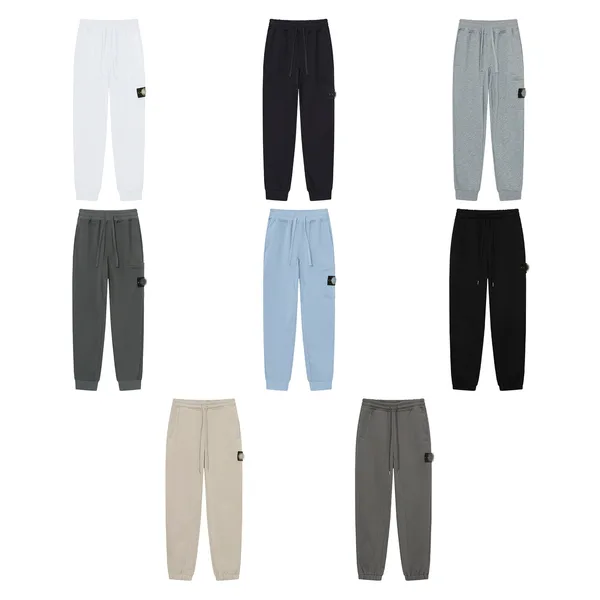
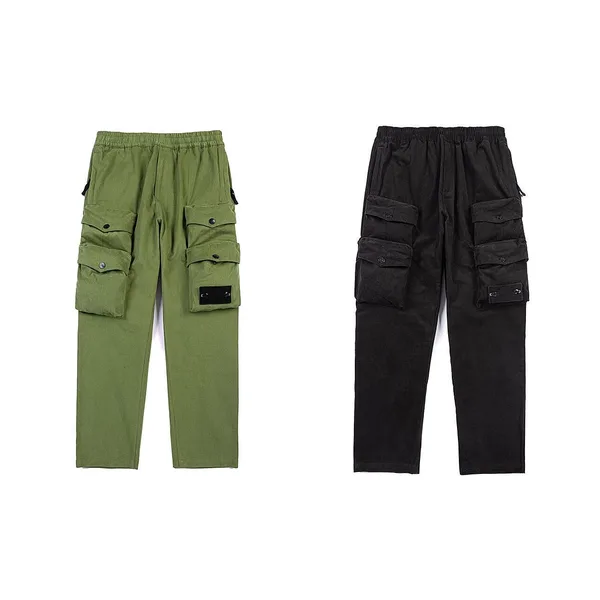
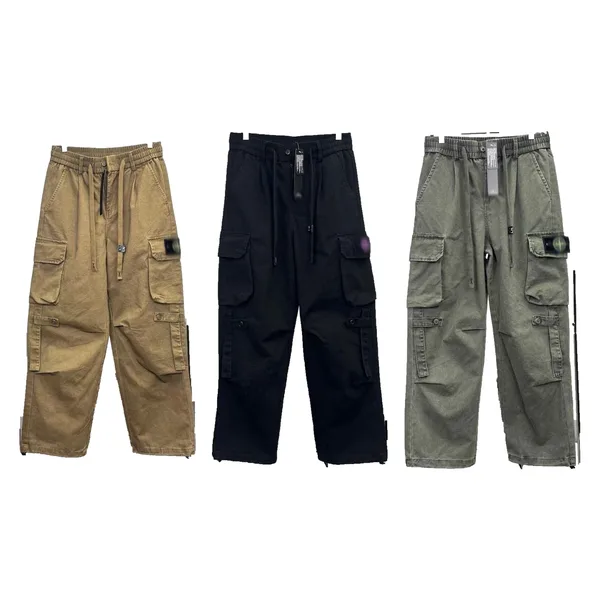
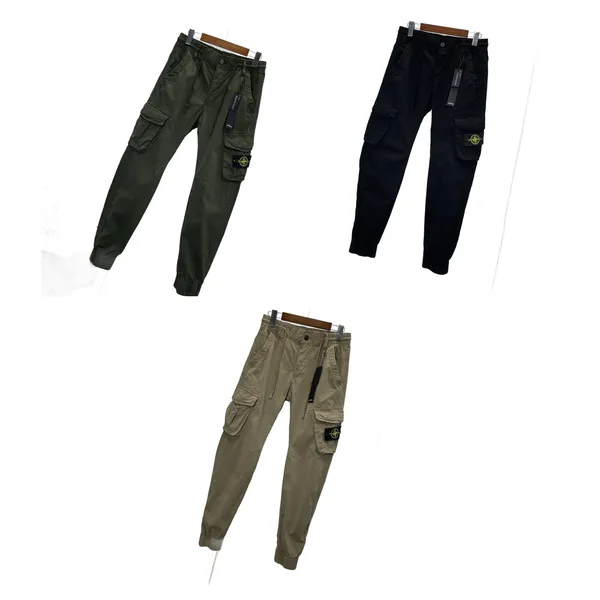
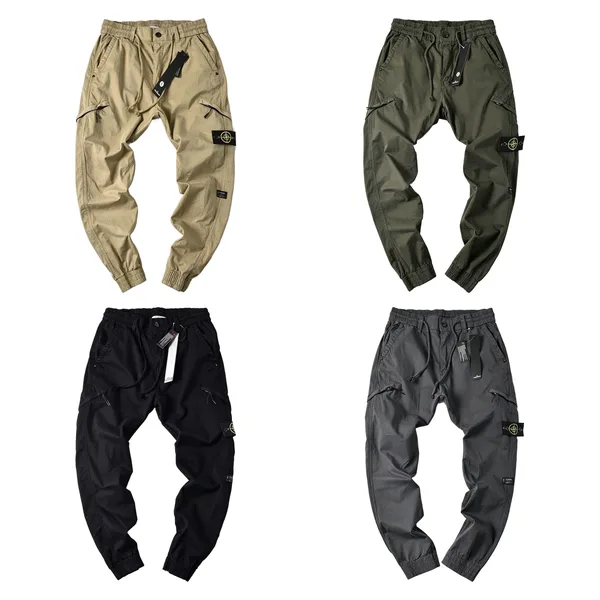
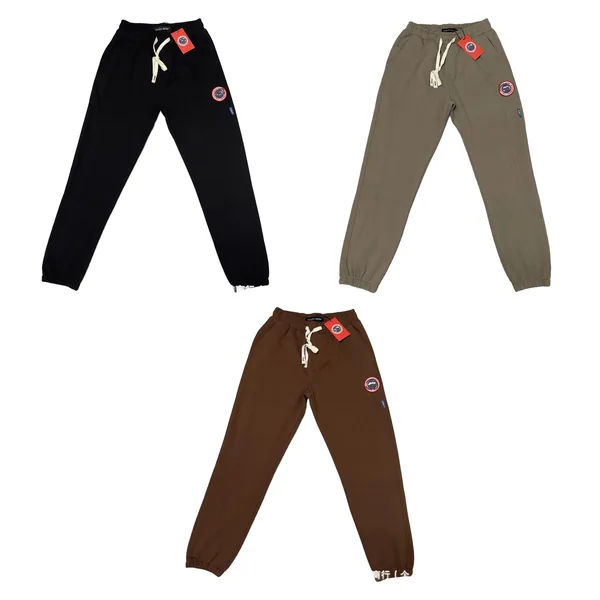
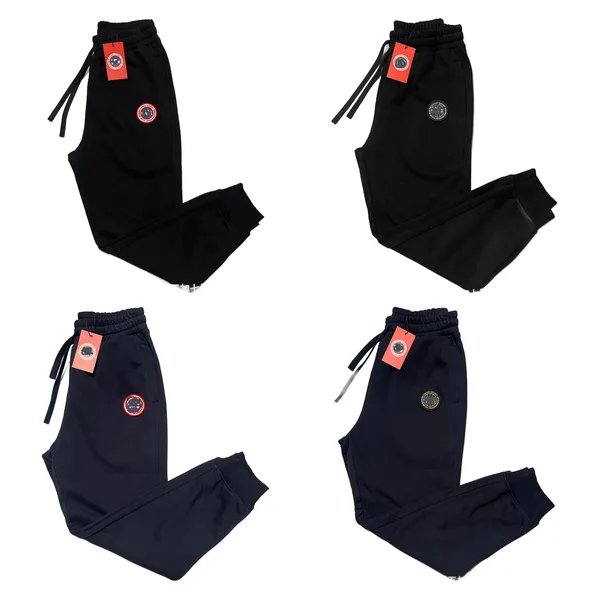
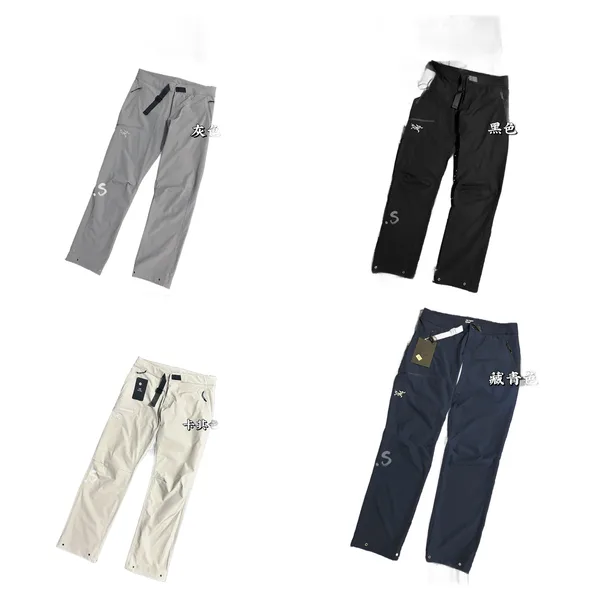
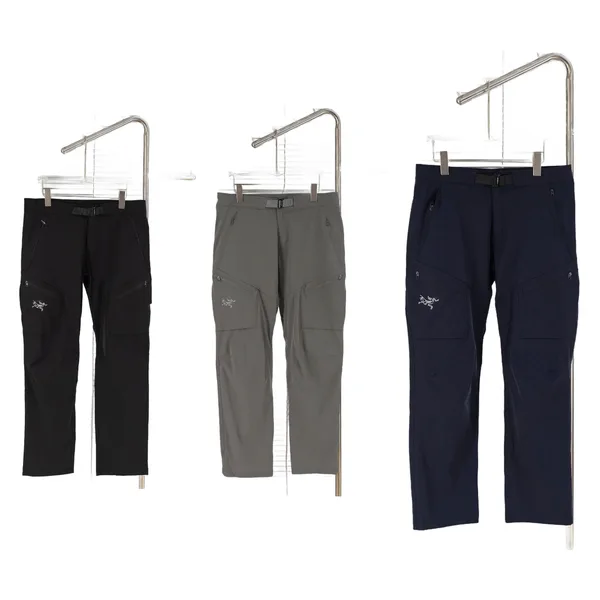
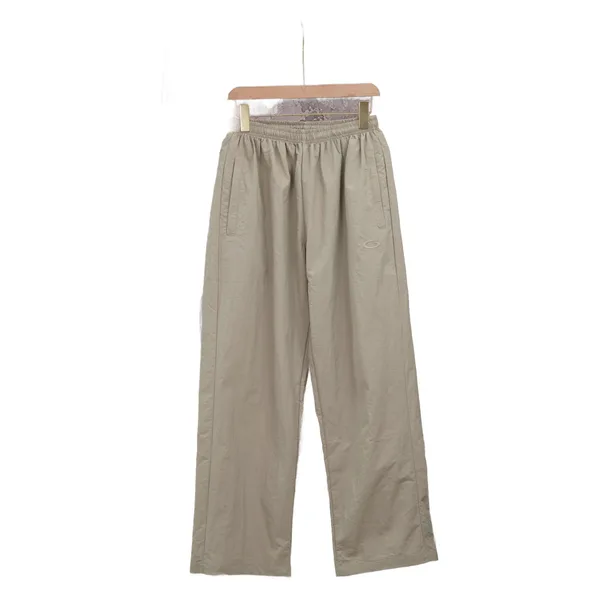
$15.00 – $37.50
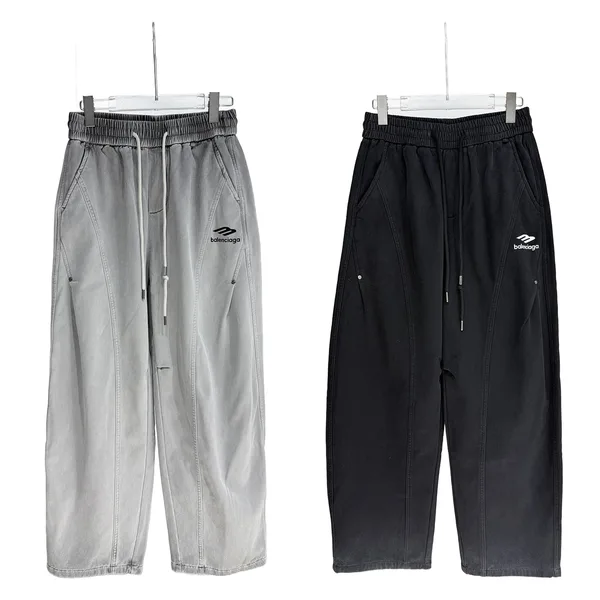
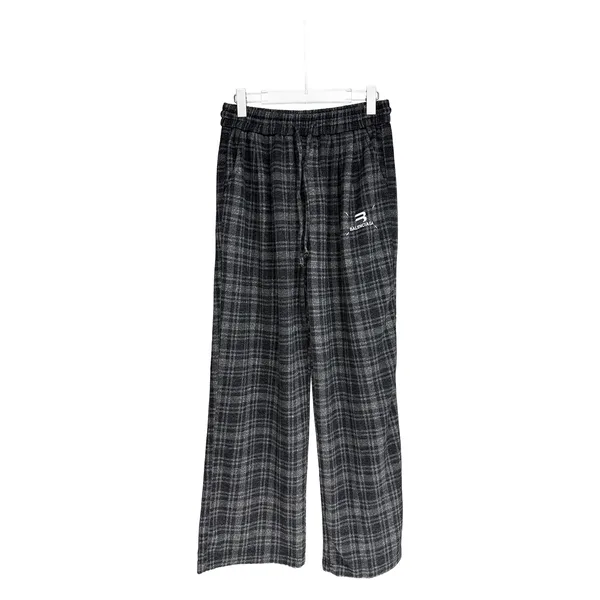
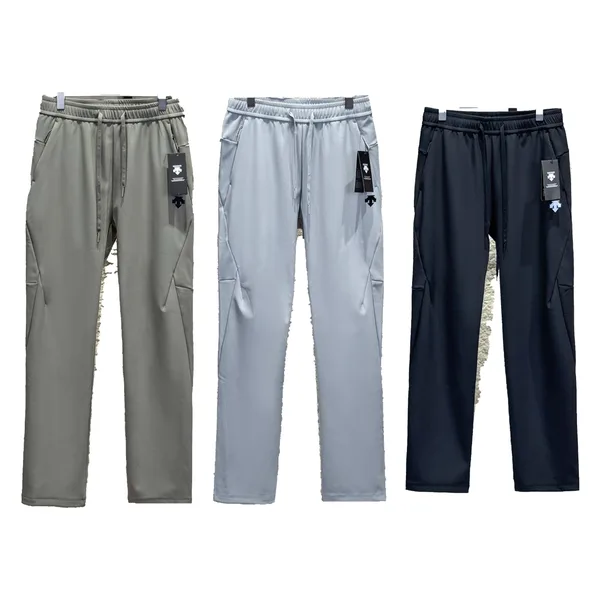
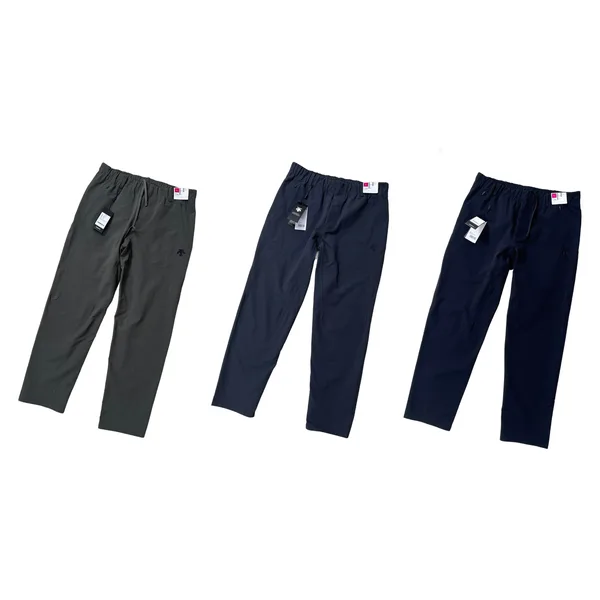
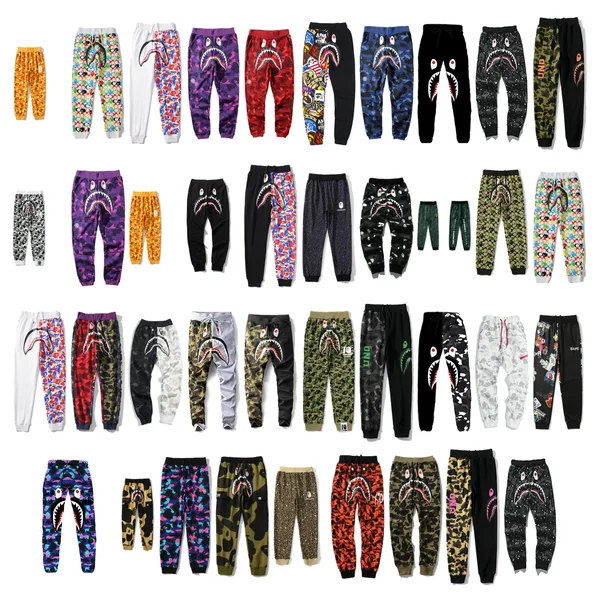
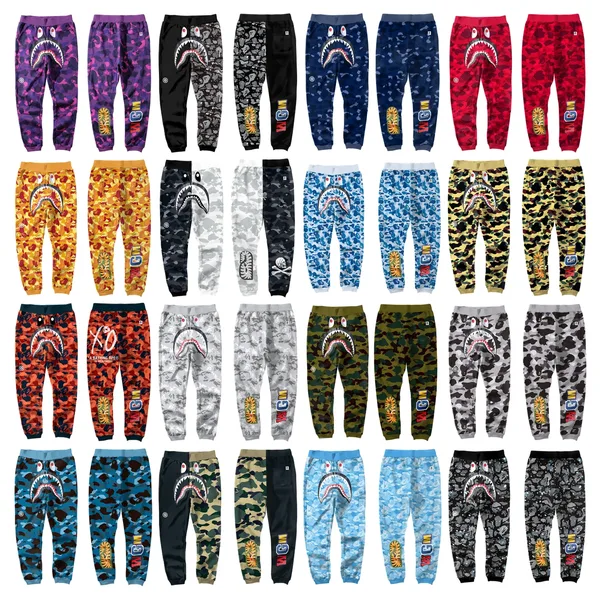
$132.01
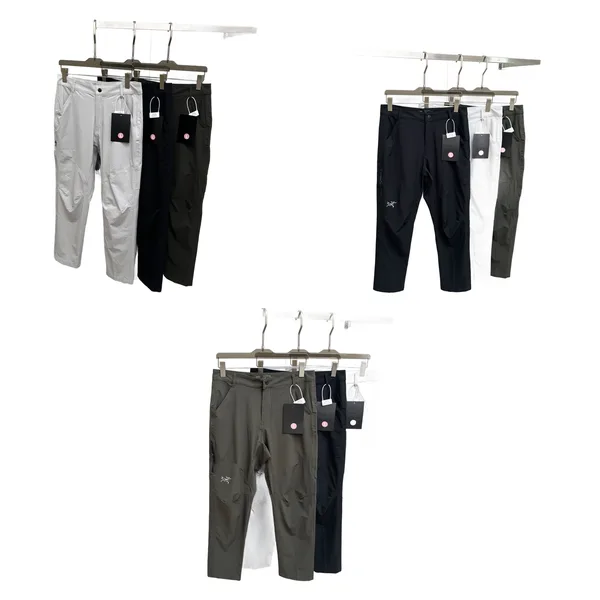
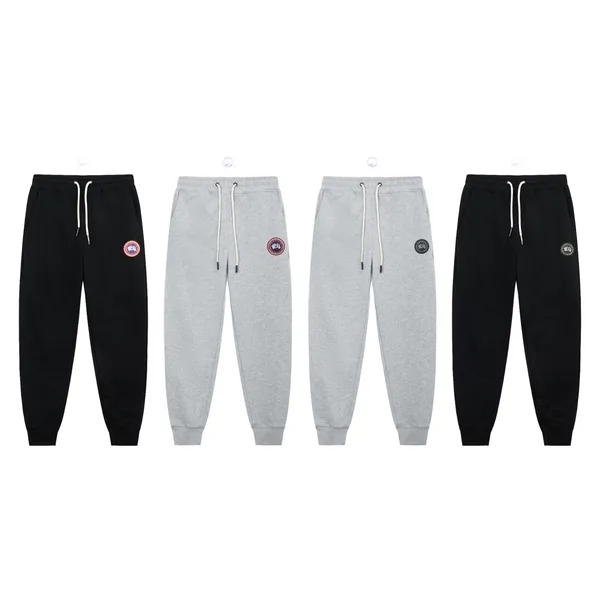
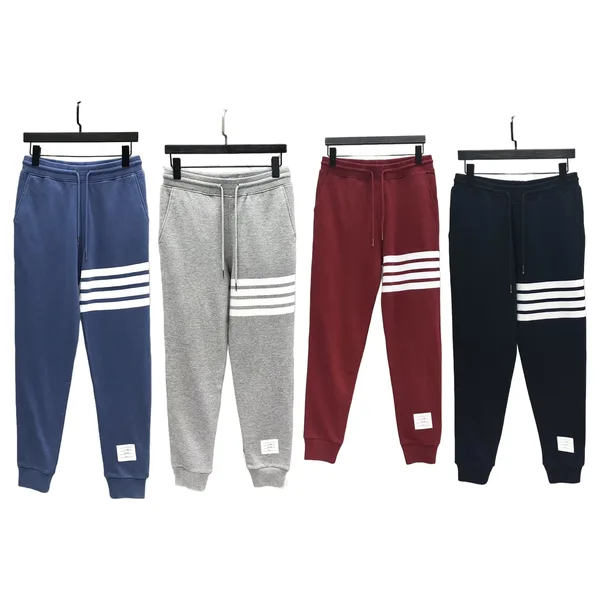
$21.00 – $60.75
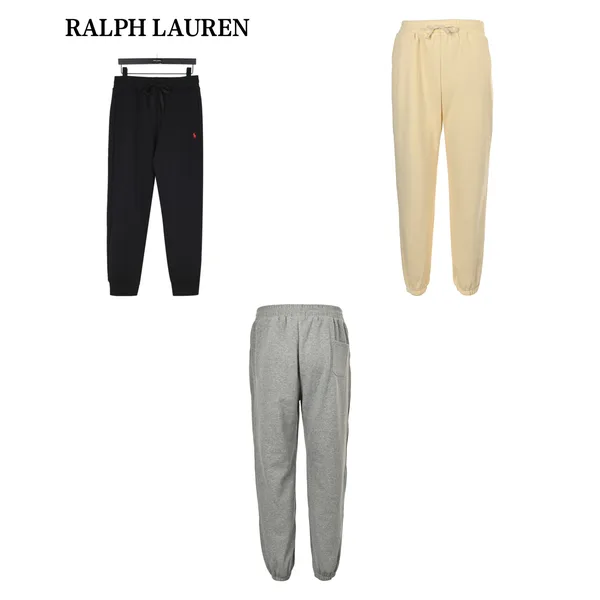
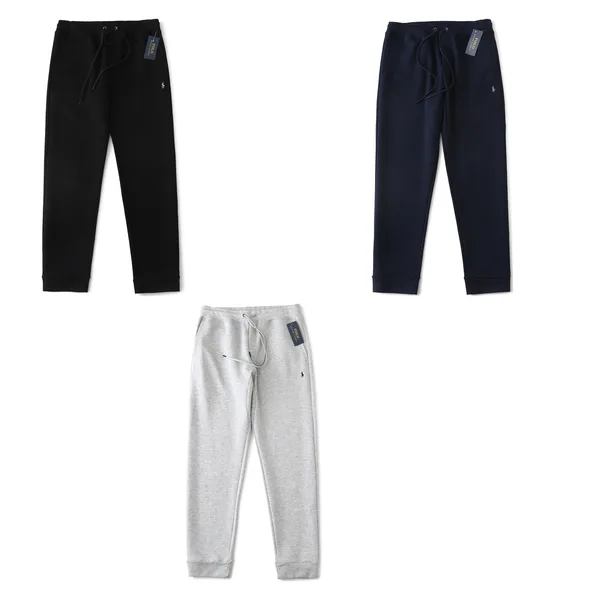
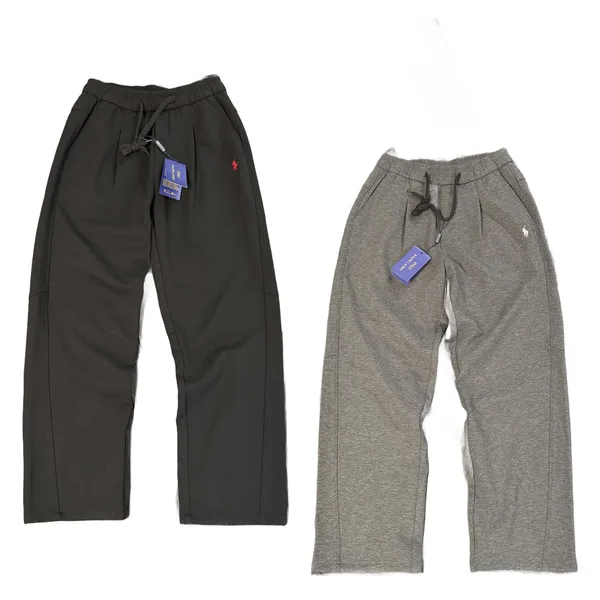
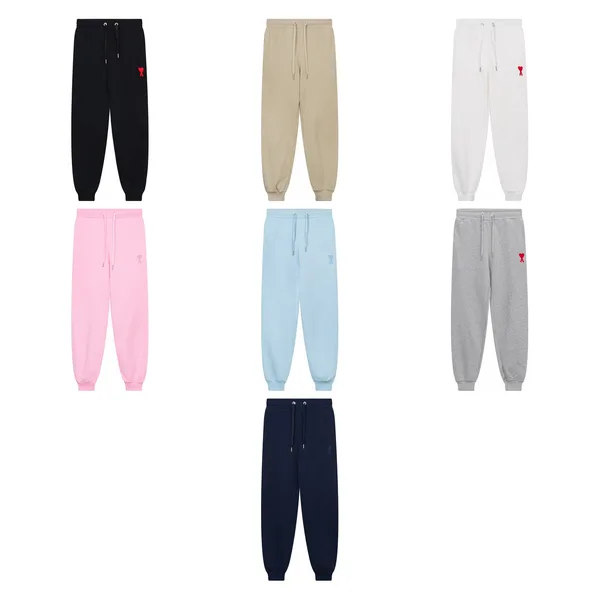
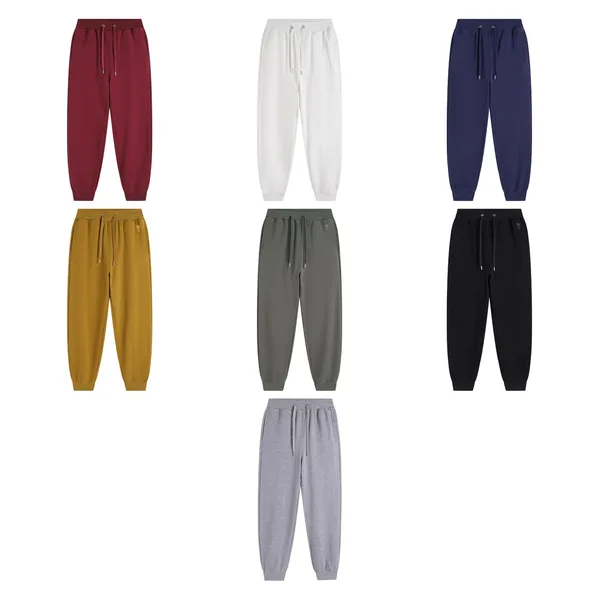
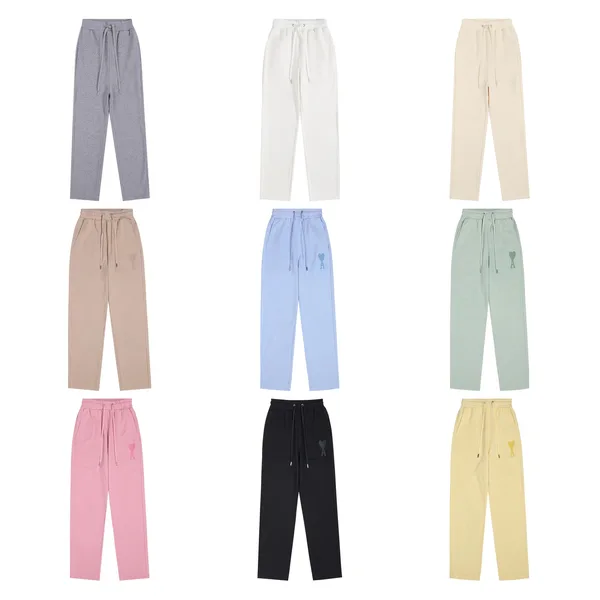
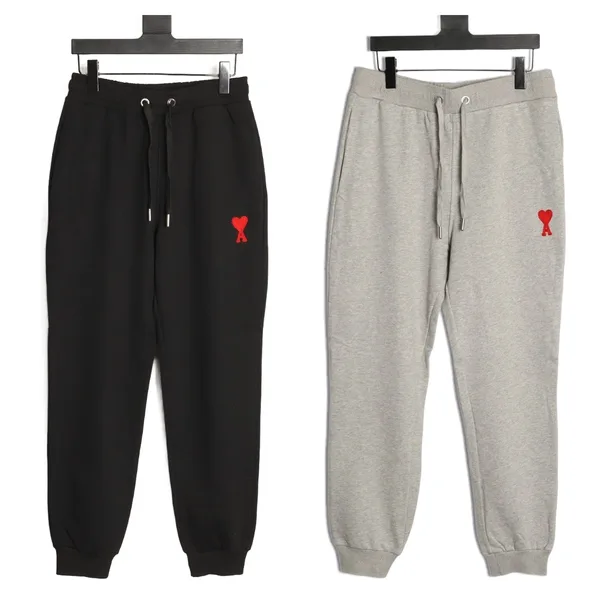
The difference between trousers you wear once and trousers you reach for all week is often in the lower half: the rise when you sit, the way the leg falls, and whether the hem gathers or rests cleanly above your shoes. A large print may catch your eye, but those proportions decide how the pair works in an outfit.
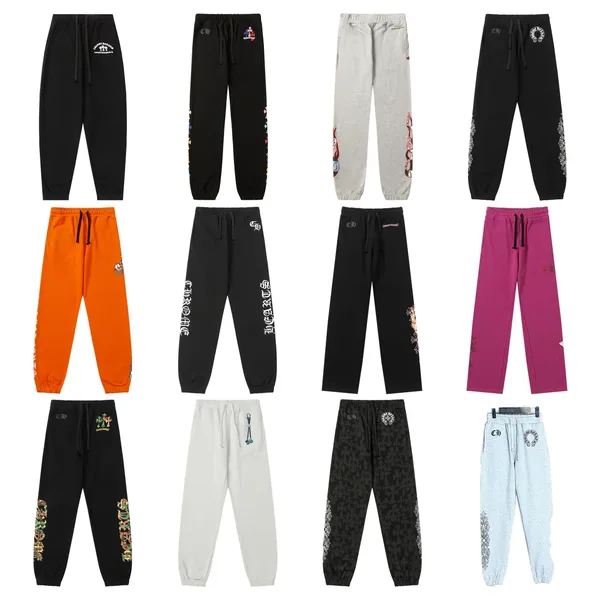
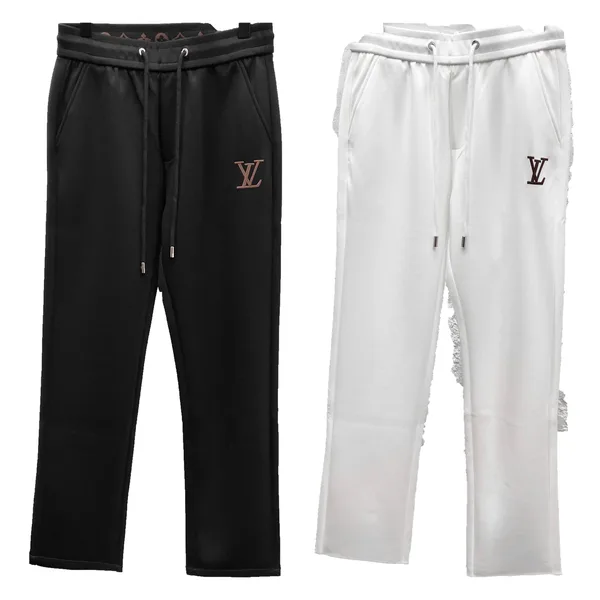
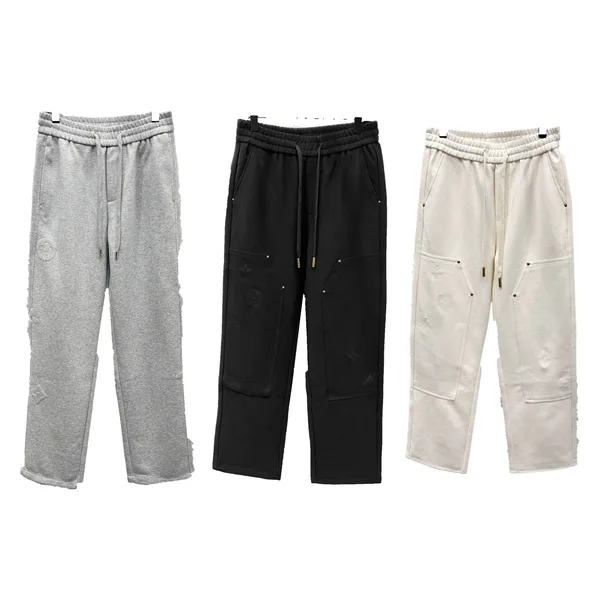
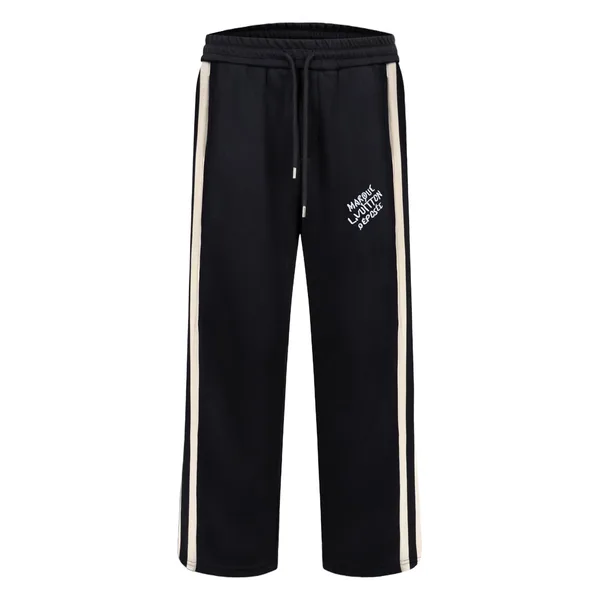
Our OopBuy joggers and trousers spreadsheet brings graphic sweatpants and quieter drawstring styles together. Scan the combined covers, narrow by colour or design, then use the individual photos and available dimensions to compare the cut. Confirm the exact trouser option and price through its OopBuy link.
Look for cuffed, straight or wider open hems in the cover. Then compare the width through the thigh and knee. A narrow ankle does not necessarily mean a slim upper leg, and a wide photograph can be affected by how the trousers are laid out. Search the shape or a distinctive detail such as “drawstring”, then open the relevant product.
These examples make useful comparisons between washed graphics, stud details, gathered hems and straighter legs. The category label alone cannot distinguish them.
| In the collection | What to compare |
|---|---|
| Hellstar Washed Effect Joggers | Compare the visible wash placement on the front and back before choosing a colour. |
| Hellstar Side Stud Decorated Joggers | Check where the side decoration begins and ends and how it sits beside pockets. |
| Ralph Lauren Drawstring Jogger Pants | Compare waist adjustment and how the gathered hem meets your shoes. |
| Ralph Lauren Pony Logo Elastic Waist Straight-leg Trousers | A useful contrast to gathered joggers when you prefer a straighter lower leg. |
A gathered jogger hem sits differently from an open straight leg. With a bulky sneaker, too much extra fabric can hide the shape you wanted to show; with a low-profile shoe, a long wide leg can drag or fold heavily. Compare the trouser’s stated length and opening with a pair you already wear with those shoes.
Do not solve every length problem by changing the waist size. A larger size may add room where you do not need it, while the hem remains wrong for the look. Look for a different cut when the waist fits but the overall proportions do not. This is why comparing two shapes in the collection is often more productive than comparing two adjacent sizes of one shape.
An elastic waist and drawstring offer adjustment, but they do not replace the size information. Compare the stated waist range, hips and length with trousers that fit. If you want fabric to stack over your shoes, think about leg length and hem width together. A longer inseam with a tight cuff behaves differently from the same length with an open hem.
Large lettering along one leg draws the eye downwards; a smaller pocket detail gives a quieter accent. Compare both legs and the back where photos are available. Studs, washes and distressed areas should be checked on the exact selected style, not borrowed from another option in the cover. Pair a busy leg graphic with a simpler top when you want the trousers to lead.
The waistband, rise and pocket placement matter when you sit or carry a phone. If dimensions are available, compare the relaxed waist and any stated stretch range separately. A drawstring adjusts the opening but does not change the space through the seat or thigh. For a closer leg, check those areas before relying on stretch.
| What to compare | How to use it |
|---|---|
| Waistband | Check the adjustment and stated range; do not confuse a flat width with a full circumference. |
| Seat and thigh | Compare with a comfortable pair, especially when choosing a tapered cut. |
| Pockets and decoration | Locate usable openings and inspect raised details that may sit under a bag strap or near your hands. |
For a large leg print, try a top that repeats one small colour from the design. With washed or studded trousers, a quieter knit or plain hoodie lets the surface remain visible. The aim is not to avoid every second pattern, but to choose which piece should lead when you see the outfit from a distance.
When checking your order’s warehouse photos, compare the selected graphic position and hem construction as well as colour and size. If the cover combines several washes, make sure the received pair matches your chosen one. A similar dark base can make two different prints look deceptively alike in a small thumbnail.
Use the matching OopBuy button and select the exact design, size and version if one is offered. Review its price and domestic shipping rather than the lowest price shown for the collection. After arrival, compare colour, print placement and the size label in warehouse photos. Raise discrepancies before combining the trousers into an international parcel.
No. This category includes open-hem trousers as well as cuffed styles. Check the ankle view of the selected option.
It can tighten the waist, but it will not change the hips, rise or leg length. Compare the full fit before ordering.
Compare inseam or stated length and hem width with the shoes you plan to wear. Length alone does not determine the result.
No. Wash describes appearance. Fabric weight and composition need the selected product’s information.
Compare thigh and seat measurements as well as the waist, using the same measuring method as the listing. A waistband that fits does not guarantee room through the upper leg. Check the rise too, because it changes where the trousers sit.
Rise, leg width and gathered versus open hems change how fabric falls. Compare the complete cut rather than length alone.